Desk Decor Accessories by Budget and Value (Cost-Value Evaluation Framework)
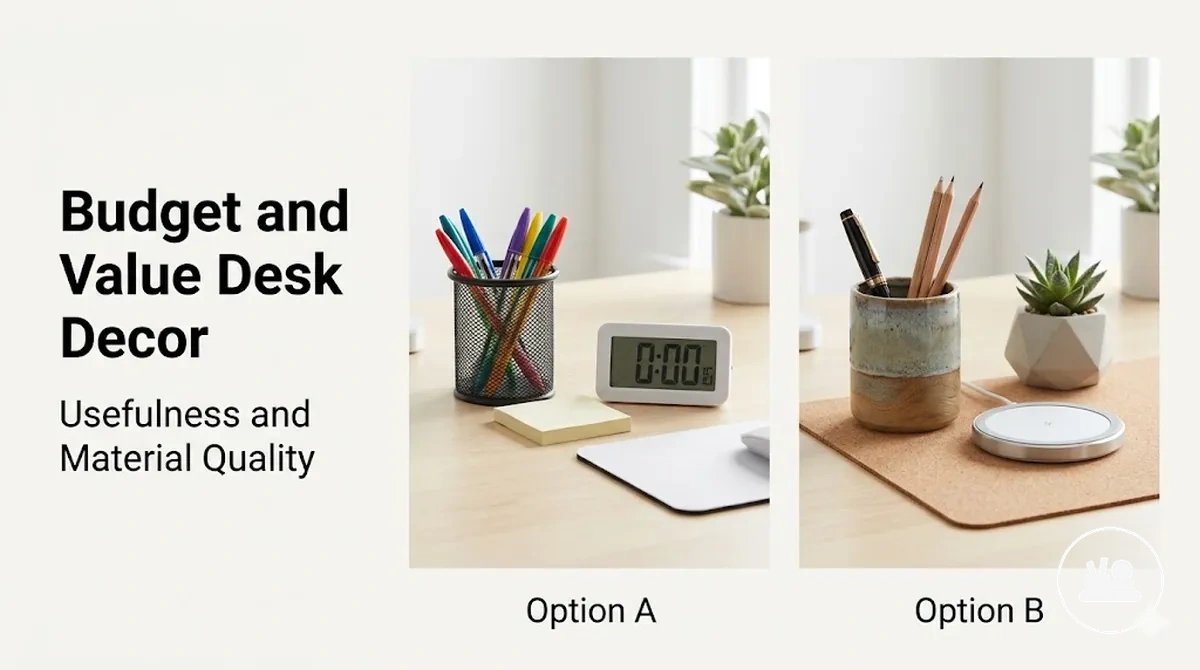
Desk decor accessories by budget and value refers to a cost-value decision framework for choosing items that fit a workspace without treating price alone as the main quality signal. The value of desk decor accessories depends on the balance between cost, durability, functionality, workspace fit, material quality, and aesthetic relevance. A low-cost option may offer enough value when the accessory supports basic usability and matches the desk setup. A higher-budget option may be more reasonable when better finish quality, longer use, or stronger workspace harmony matters. Budget tiers should therefore guide expectations, not create a fixed rule that expensive accessories are always better. The cost-value balance is strongest when the accessory supports the workspace purpose without adding clutter or unnecessary decorative weight.
This page frames desk decor accessories through practical evaluation dimensions rather than product-first or brand-first reasoning. Material quality, durability, functional utility, longevity, and visual impact can each change how value is perceived across different budget tiers. The right decision often depends on whether the accessory improves usability, supports the design of the workspace, or simply adds visual interest. The following sections explain what “worth the money” means, how budget tiers affect expectations, and how to compare functional, decorative, cheap, and expensive options without assuming universal value outcomes.
Understanding Value in Desk Decor Accessories: What ‘Worth the Money’ Really Means
Value in desk decor accessories is the relationship between cost and perceived utility within a workspace. Value perception is not determined by price alone; it is shaped by workspace utility, durability, usability, aesthetic value, and compatibility with the intended desk setup. A stronger cost relationship may exist when an accessory supports practical use and visual organization, while a lower value perception may occur when cost exceeds the benefit provided to the workspace. These attributes help clarify why different users may evaluate the same accessory differently.
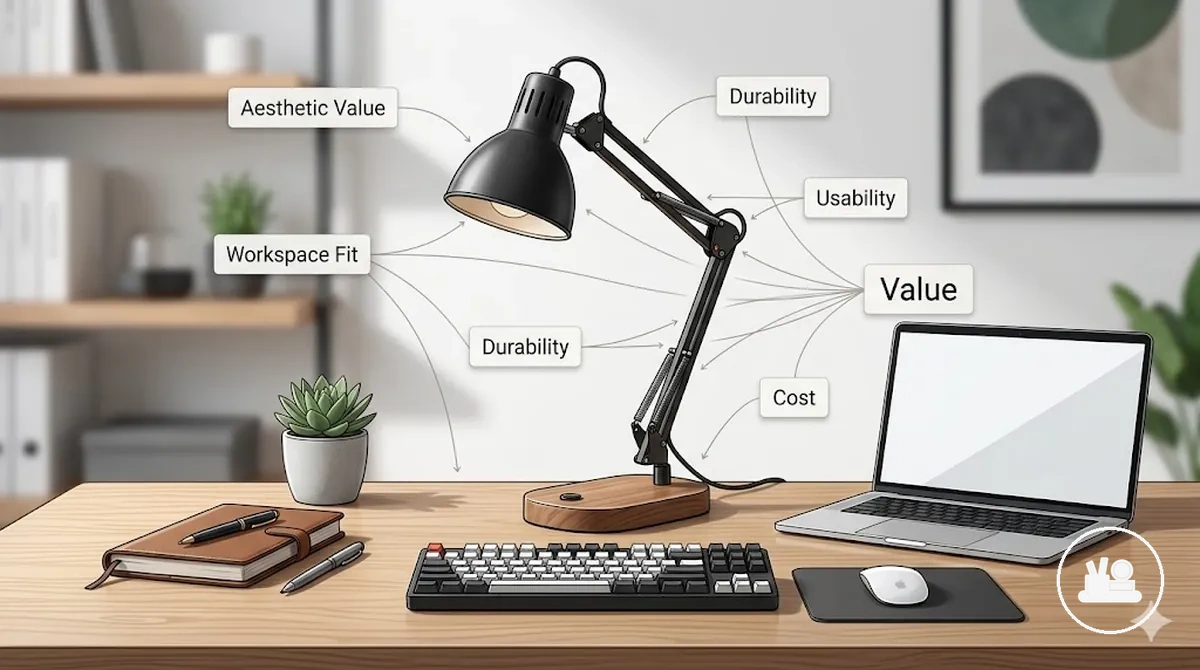
Value perception can vary according to workspace needs and user priorities. Durability may matter more in workspaces that experience frequent daily use, while aesthetic value may have greater importance in setups where visual design contributes to the overall environment. Workspace compatibility also influences how useful an accessory feels in practice. For that reason, the perceived value of desk decor accessories usually depends on how well cost, utility, and workspace fit align with the intended purpose of the workspace.
Budget Tiers for Desk Decor Accessories: Low, Mid, and Premium Set Expectations
Budget tiers help structure selection decisions for desk decor accessories by separating expectations for material quality, durability, design complexity, and functional scope. The most suitable tier depends on workspace type, intended use, and value expectation rather than category alone. Low, mid, and premium classifications are best viewed as decision frameworks that help compare attributes and trade-offs.
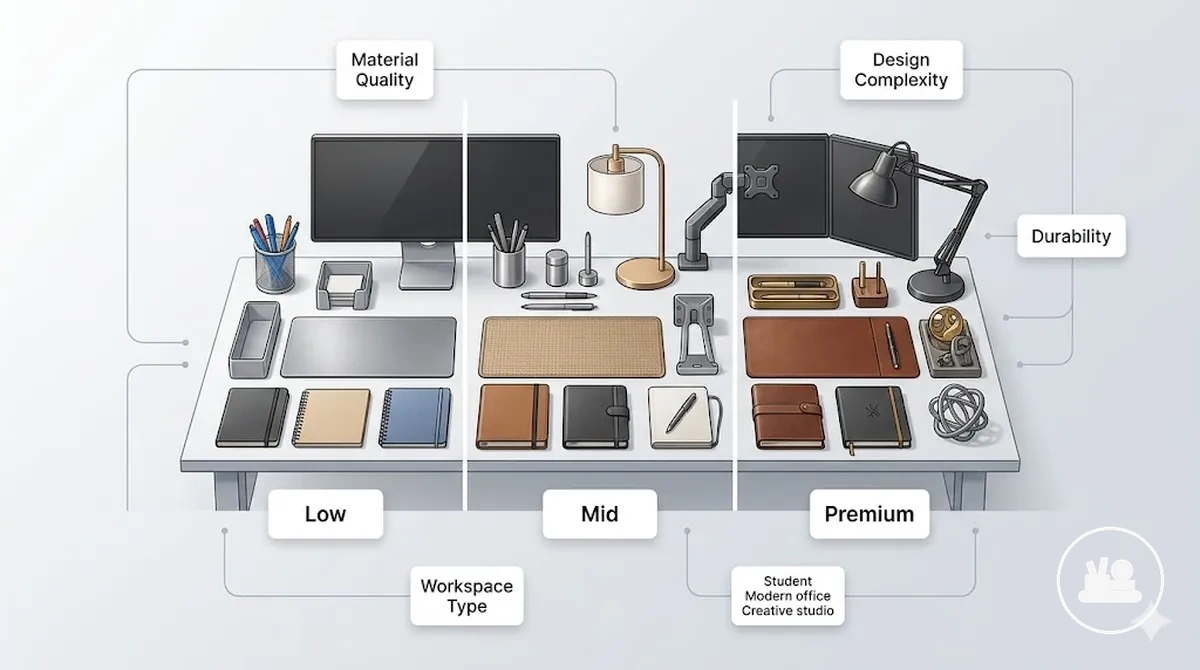
- Low: Often prioritizes basic functionality, straightforward design complexity, and practical workspace use. Material quality and durability may be suitable for lighter or less demanding environments.
- Mid: Typically balances material quality, durability, usability, and visual design. This category may appeal to users seeking a combination of function and appearance.
- Premium: Often emphasizes refined materials, higher design complexity, distinctive finishes, or specialized functionality. The added value depends on whether these attributes align with the intended workspace type.
Budget tier selection is usually more effective when expectations match actual workspace requirements. A premium category is not necessarily the preferred choice for every situation, and a lower-tier category may provide adequate utility when requirements are simple. For a broader framework that aligns budget tiers with workspace needs and selection criteria, see how to choose desk decor accessories.
What Makes Desk Decor Accessories Worth the Money: Materials, Functionality, and Durability
Desk decor accessories are worth the money when materials, functionality, durability, and workspace needs align with the intended use of the workspace. Accessories should be evaluated by how these criteria work together rather than by any single attribute. Higher finish quality, broader functionality, or increased durability may improve suitability in certain situations, but each advantage can involve a trade-off that depends on workspace requirements and usage priorities.
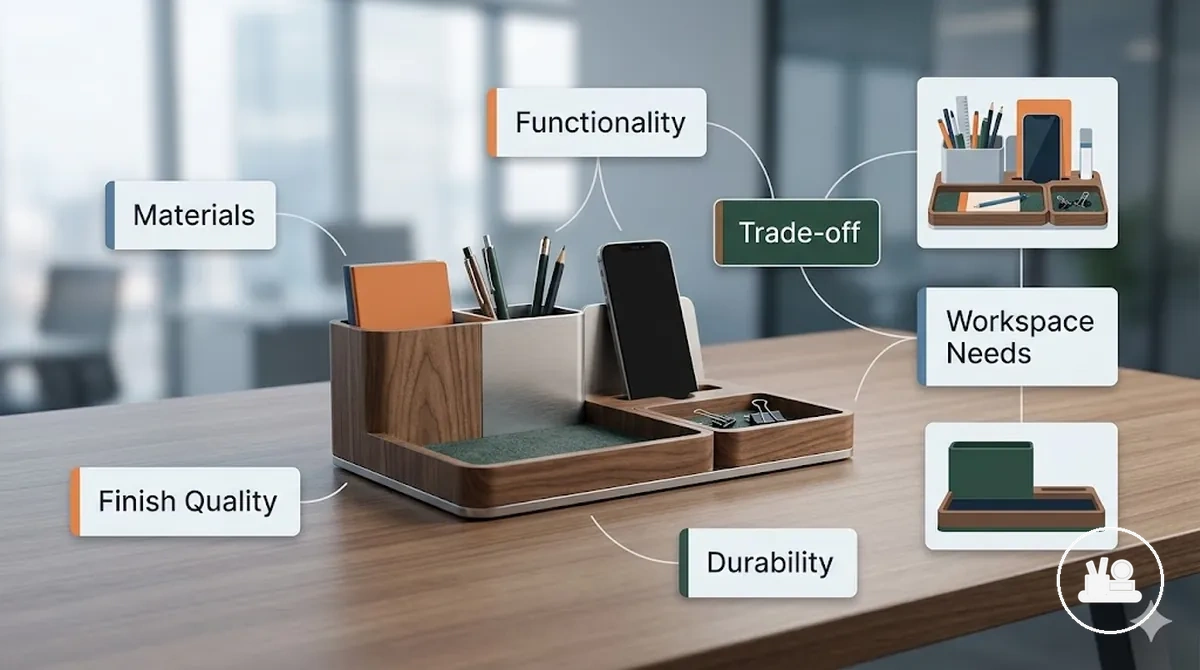
| Entity | Attribute | Evaluation Context |
|---|---|---|
| Desk Decor Accessories | Materials and finish quality | Materials may influence appearance, feel, and long-term suitability depending on workspace needs. |
| Desk Decor Accessories | Functionality | Functionality often provides more value when the accessory supports a clear workspace purpose. |
| Desk Decor Accessories | Durability | Durability importance varies according to usage frequency, handling conditions, and expected lifespan. |
| Desk Decor Accessories | Trade-off balance | Stronger performance in one attribute may not automatically outweigh limitations in another attribute. |
Evaluating desk decor accessories through materials, functionality, durability, and finish quality creates a practical decision framework. The most suitable option usually depends on how well these attributes support workspace needs, with trade-off analysis helping determine whether added quality or functionality provides meaningful value in a specific workspace context.
Functional vs Decorative Value: How Purpose Changes What You Should Pay For
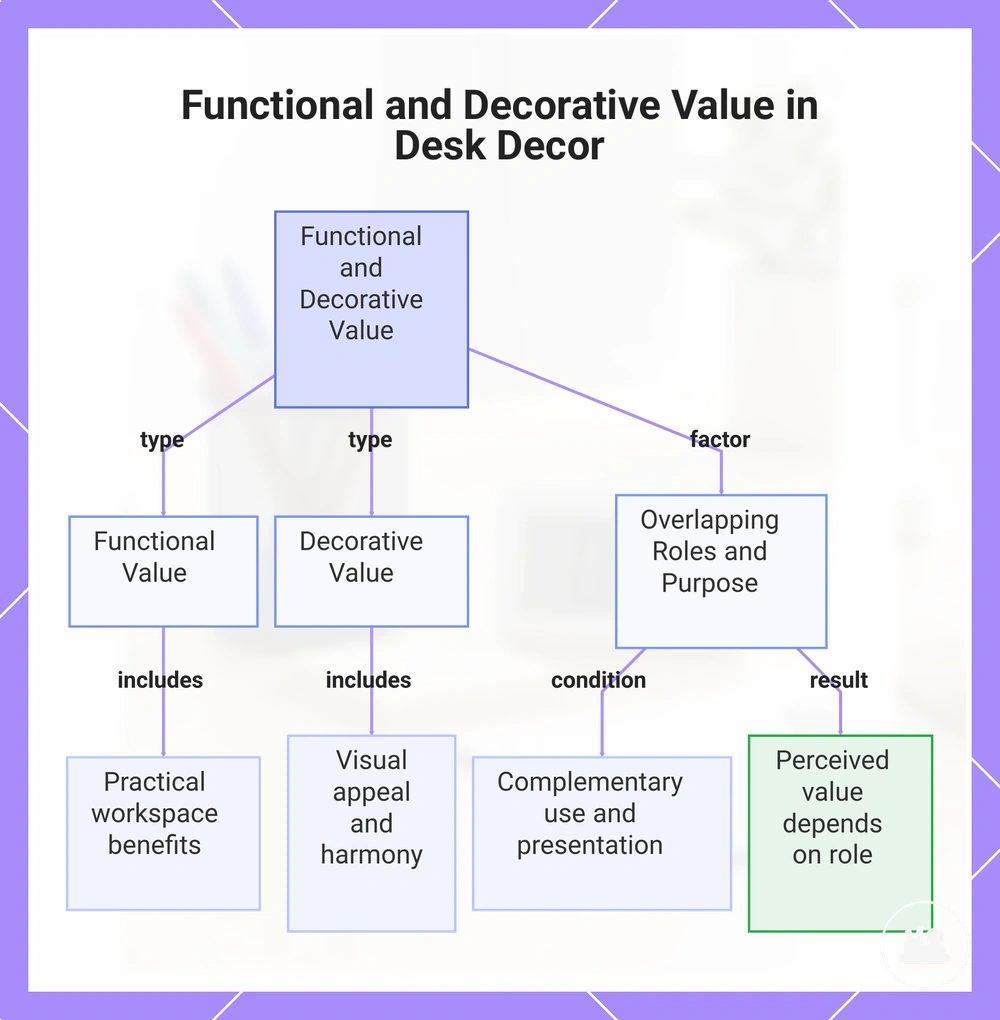
Functional value and decorative value differ according to the primary purpose of desk decor accessories. Functional value is typically evaluated through usability, storage, organization, or workspace support, while decorative value is evaluated through visual appeal and contribution to workspace harmony. How much value a user places on an accessory often depends on which role is more relevant to the intended workspace.
- Functional Value: Focuses on usability, storage, organization, accessibility, and other practical workspace benefits.
- Decorative Value: Focuses on visual appeal, aesthetic character, atmosphere, and workspace harmony.
- Overlapping Roles: Desk decor accessories may provide both functional value and decorative value when practical use and visual presentation complement each other.
- Purpose Alignment: Perceived value often depends on how closely the accessory supports the intended workspace role.
Functional and decorative roles should be differentiated by purpose rather than ranked by importance. A workspace centered on efficiency may emphasize usability and storage, while a workspace focused on appearance may emphasize visual appeal and workspace harmony. When both objectives are relevant, desk decor accessories can be evaluated through the balance between functional value and decorative value instead of treating either role as inherently superior.
This chart shows the two main value types of desk decor accessories—functional and decorative—and how purpose and overlapping roles affect perceived value.
Cheap vs Expensive Desk Accessories: Key Differences in Quality, Utility, and Longevity
Cheap and expensive desk decor accessories differ mainly in quality, utility, longevity, and material resilience rather than in absolute value. Expensive options may provide higher-quality materials, greater material resilience, or longer longevity in certain workspace conditions, while cheap alternatives may deliver sufficient utility when requirements are simpler. The comparison depends on how the accessory is expected to support the workspace rather than on price alone.
| Price Category | Primary Attribute | Comparison Context |
|---|---|---|
| Cheap | Utility-focused design | May suit workspaces where basic functionality and practical use are the main priorities. |
| Expensive | Quality and material resilience | May offer additional longevity, refinement, or utility when those attributes are relevant to workspace needs. |
| Both Categories | Purpose alignment | Overall value depends on how well the accessory supports its intended role. |
Quality, utility, and longevity should be compared independently because higher cost does not automatically indicate greater value. Expensive desk decor accessories may justify their cost when material resilience or extended use is important, while cheap options can remain appropriate when required functionality is limited. Comparing price categories is most useful when differences are evaluated against workspace needs rather than assumed through a direct price-quality relationship.
How to Choose a Value-Optimized Desk Decor Set for Your Workspace Needs
A value-optimized desk decor set depends on matching workspace needs with an appropriate budget balance and the right level of functionality. The selection process should prioritize how desk decor accessories support daily workspace use, visual organization, and overall compatibility. A suitable choice often depends on balancing practical benefits with appearance while limiting unnecessary clutter risk.
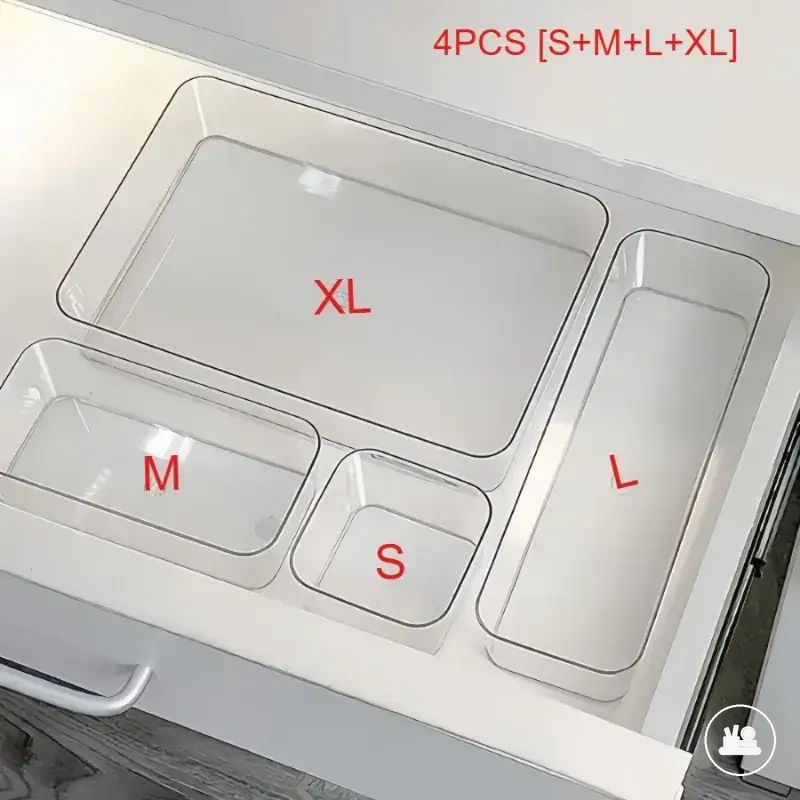
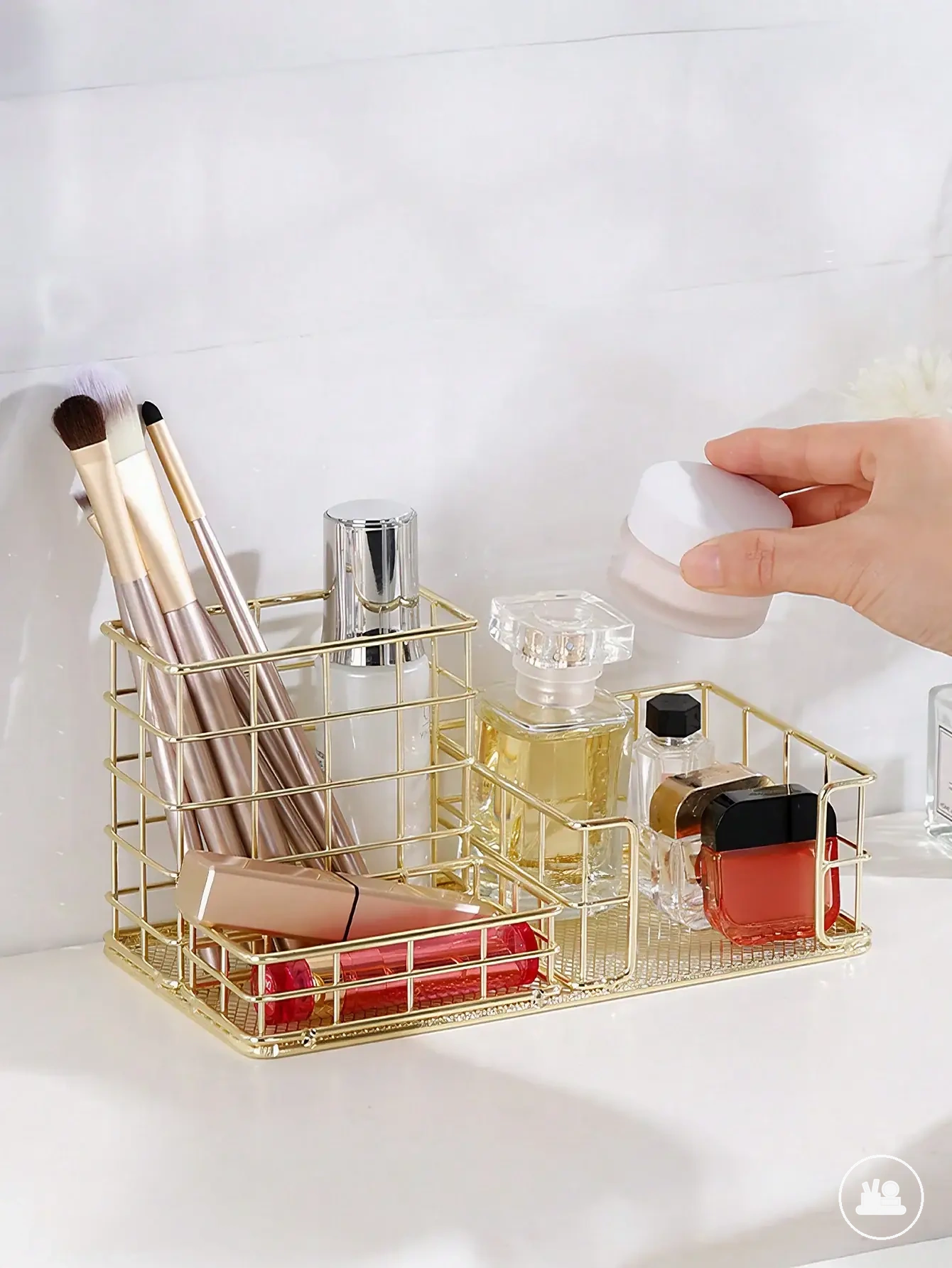
The products below are useful examples for comparing available options. Before buying, check that the compatibility criteria, key features, and product details match your needs.
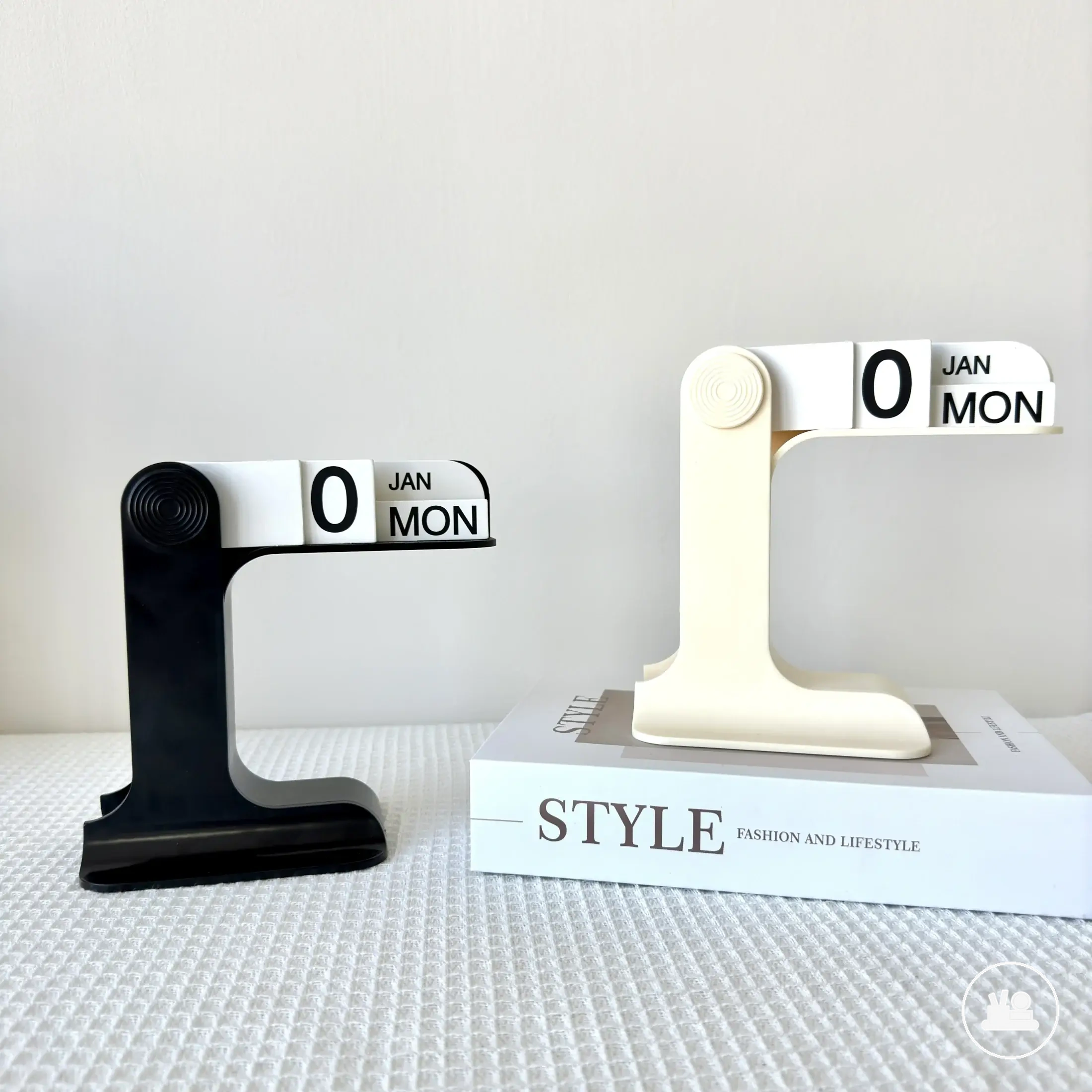
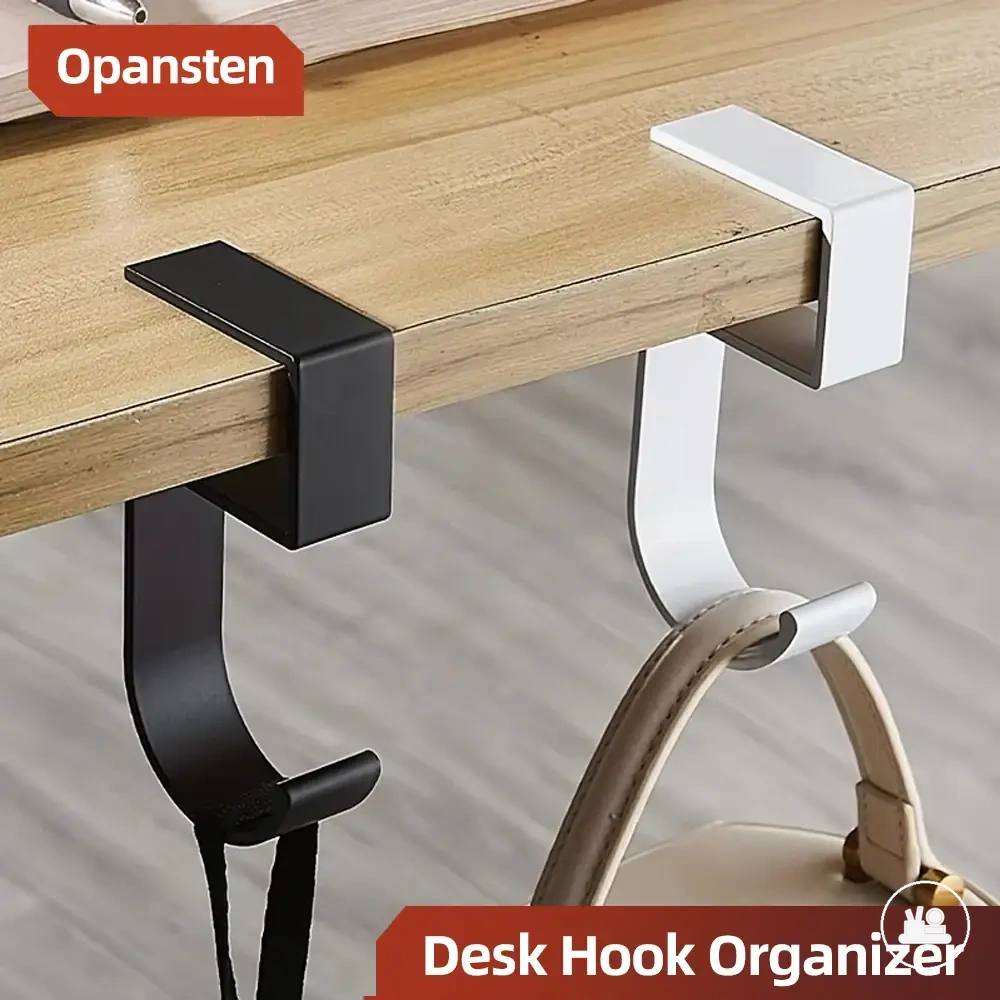

Use the following checklist to guide the selection process:
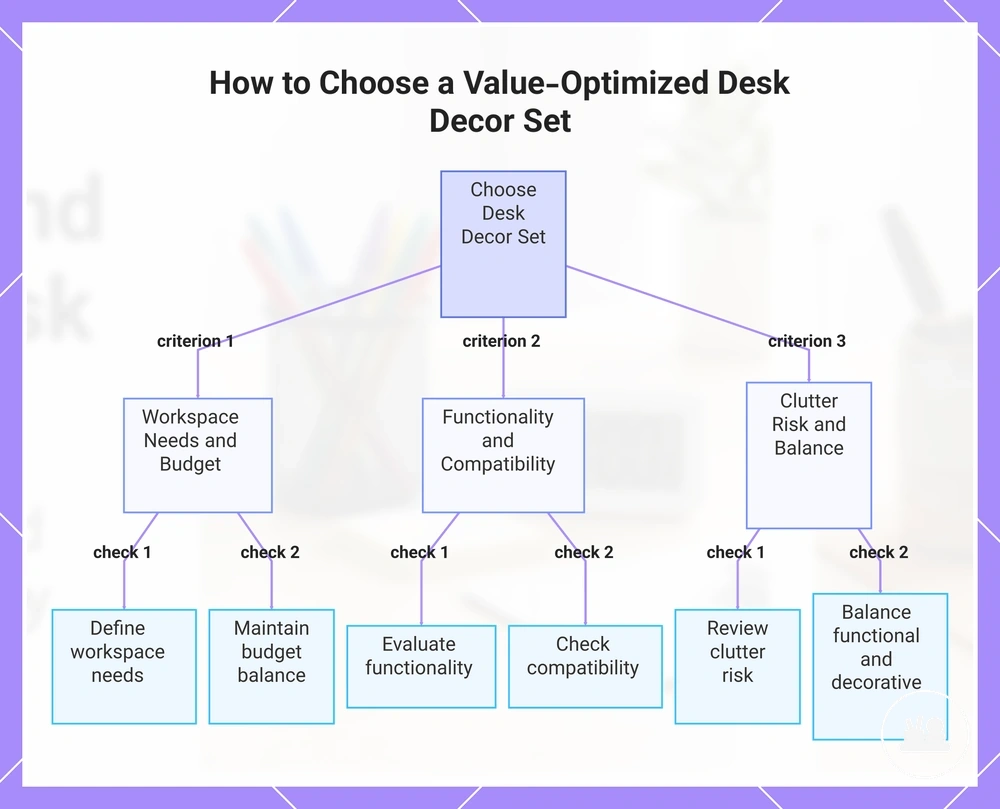
- Define Workspace Needs: Determine whether the workspace primarily supports organization, storage, focus, display, or visual enhancement.
- Maintain Budget Balance: Allocate resources according to the importance and expected use of each accessory.
- Evaluate Functionality: Prefer accessories that contribute a clear purpose within the workspace.
- Check Compatibility: Assess whether accessory size, style, and intended role fit the existing setup.
- Review Clutter Risk: Limit accessories that occupy space without supporting usability or workspace harmony.
- Balance Functional and Decorative Roles: A value-optimized set may combine practical and visual elements when both support workspace goals.
When multiple combinations appear suitable, the final decision usually depends on which set aligns most closely with workspace needs, budget balance, functionality, and compatibility. For decision validation and broader selection examples, see desk decor accessories worth buying.
This chart shows the main selection criteria for choosing a value-optimized desk decor set based on workspace needs, budget, functionality, compatibility, and clutter risk.
Common Mistakes When Buying Budget Desk Decor Accessories and How to Avoid Wasteful Choices
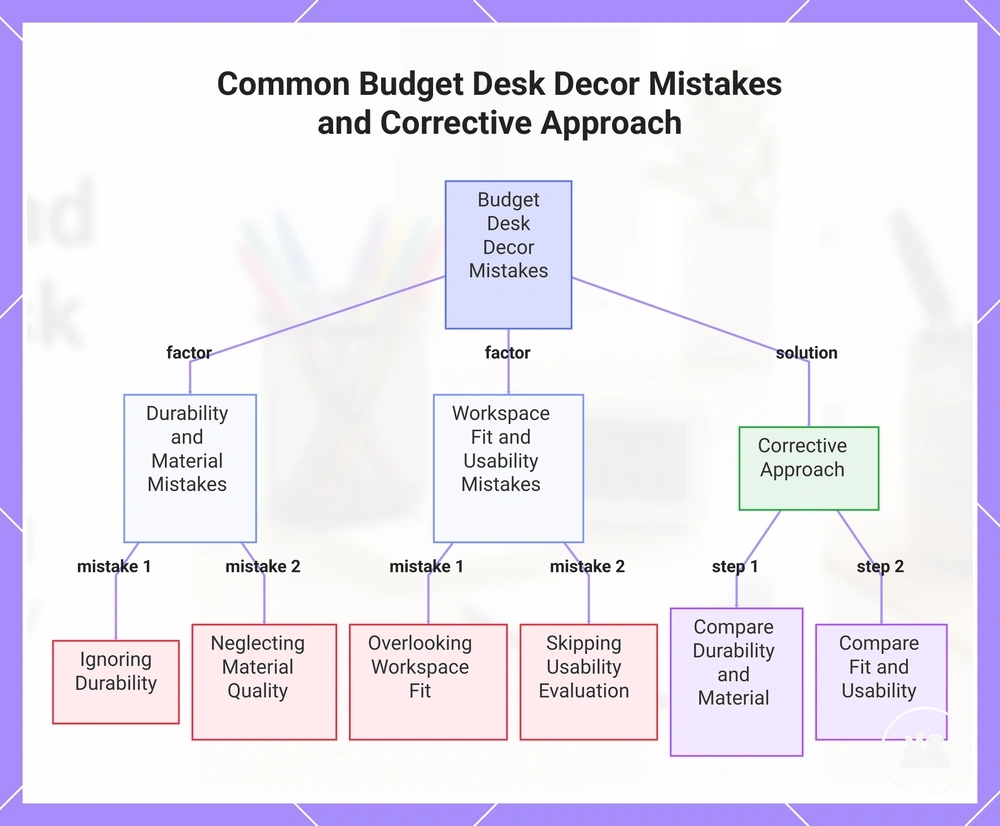
Budget mistakes with desk decor accessories often result from overlooking durability and workspace fit rather than from choosing a lower price category. Wasteful choices may occur when material quality, usability, or compatibility with the workspace are not considered before selection. Preventing these outcomes usually depends on evaluating how an accessory supports practical use and visual organization within the available space.
Use the following checklist to identify and correct common buying mistakes:
The products below are useful examples for comparing available options. Before buying, check that the compatibility criteria, key features, and product details match your needs.
- Ignoring Durability: An accessory may provide less long-term value when durability does not match expected use.
- Overlooking Workspace Fit: Desk decor accessories may be less suitable when size, layout, or purpose does not align with the workspace.
- Focusing Only on Price: Lower cost may not represent better value if material quality or usability is reduced.
- Adding Unnecessary Clutter: Decorative items can create clutter when they occupy space without supporting a clear workspace function.
- Neglecting Material Quality: Material quality may influence appearance, durability, and long-term suitability.
- Skipping Usability Evaluation: Accessories often provide greater value when usability supports daily workspace needs.
Correcting budget mistakes usually involves comparing durability, workspace fit, material quality, and usability before making a decision. For a structured evaluation approach that can help identify more suitable alternatives, see compare desk decor accessories.
This chart shows the most common mistakes related to durability, workspace fit, material quality, and usability, along with a corrective approach to avoid wasteful choices.