Desk decor accessory selection for a workspace
Choosing desk decor accessories means matching workspace needs with fit, function, style, and buying criteria. The selection process depends on how well each item supports daily desk use rather than appearance alone. This makes the outcome conditional on desk size, storage needs, and visual style.
Desk decor accessories refer to workspace items that combine practical use with visual structure on a desk. They help organize surfaces while also shaping the overall desk environment when applied with clear selection logic. Learn more about desk decor accessories as a category before narrowing choices to specific needs and conditions.
The right selection varies based on how the workspace is used throughout the day. A work desk with frequent device use may require more functional support, while a study or home setup may prioritize flexible layout and open surface space. Visual style preferences and storage needs further influence how each accessory fits into the overall arrangement.
Because of these differences, desk decor accessory selection should remain flexible and criteria-based. No single arrangement works for every workspace, so evaluation must stay tied to use patterns, available space, and practical constraints.
Desk decor accessories that fit the selection scope
Desk decor accessories are items that add either practical or visual value to a desk, and their selection scope depends on how they support the desk role within a workspace. The boundary of this scope is defined by whether an item contributes to organization, surface structure, or usable desk presence while aligning with fit, function, and style conditions. Learn more about desk decor accessories as a category before narrowing decisions.
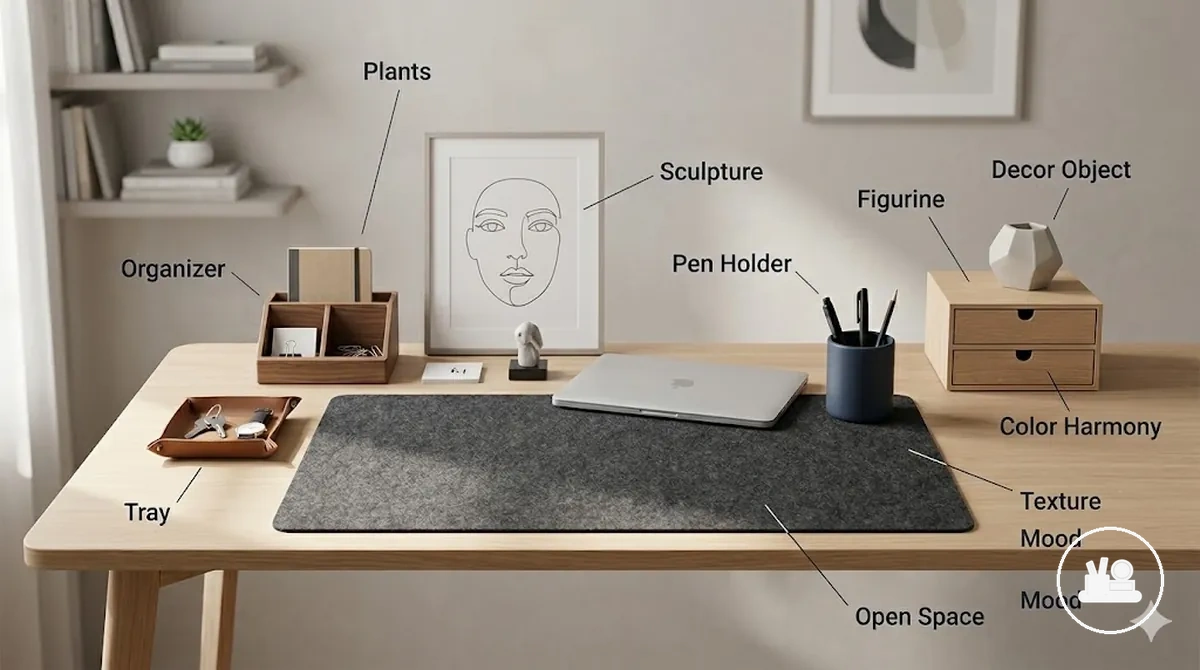
Desk decor accessories that fit the selection scope include organizers, trays, holders, mats, storage pieces, decorative objects, and coordinated sets. These examples clarify what belongs in the selection set when evaluating desk decor accessories that fit the selection scope for different workspace needs. Each item is judged by its desk role, meaning how it supports layout, usability, or visual structure rather than appearance alone.
- Organizers – support structured placement of daily desk items within the workspace
- Trays – group small essentials to reduce surface clutter and improve desk order
- Holders – keep tools like pens or devices accessible while maintaining desk flow
- Mats – define workspace zones and protect the desk surface during use
- Storage pieces – add compact storage without overwhelming open desk space
- Decorative objects – provide visual balance when aligned with functional layout
- Coordinated sets – combine multiple accessory pieces with consistent desk role alignment
Items outside this selection scope usually belong to broader room decor or furniture planning rather than desk-level decisions. The focus remains on whether each accessory directly supports desk function, layout clarity, or controlled visual presence within the workspace.
Workspace needs that should guide accessory choices
Workspace needs should guide accessory choices before style or matching. The selection depends on how tasks, tools, and desk conditions shape what is actually required on the surface. This makes workspace needs the primary filter for accessory selection decisions.
A work desk with frequent device use may prioritize clear surface space and easy access to essential tools, while a study desk often depends on structured organization for writing and reference materials. A home office may require a balance between storage pieces and visual calm, whereas a mixed-use surface shifts between different task demands throughout the day. These differences change how accessory choices respond to function, storage, and layout conditions rather than appearance alone.
Workspace needs that should guide accessory choices can be organized by linking use cases to required attributes and selection effects. The table below structures how different desk conditions influence accessory decisions based on task and surface requirements.
| Workspace need | Accessory attribute | Suitable condition | Selection effect |
|---|---|---|---|
| Frequent writing tasks | Surface clarity and pen access | Open desk area with minimal clutter | Improves writing flow and reachability |
| Device-heavy work | Cable and device organization | Multiple digital tools in use | Reduces surface interference from devices |
| Paperwork handling | Sorting and grouping support | Documents used throughout the day | Keeps materials structured and accessible |
| Small supplies usage | Compact storage and separation | Frequent use of small items | Prevents surface clutter and loss of items |
| Visual environment control | Minimal decorative balance | Mixed-focus or long-duration work | Maintains visual calm without distraction |
Daily work tasks and reachable items
A typical daily work setup shifts between writing, device use, and handling documents across different moments of the day. These daily work tasks determine which items stay on the desk and which stay stored away. When item use repeats often, reach becomes a key factor in placement decisions.
Item priority depends on daily work tasks and how often each tool is used on the desk. Frequently used items should stay within easy reach, while occasional tools can stay in storage to keep the surface clear. This links item frequency directly to placement need before any accessory choice is made.
Daily work tasks and reachable items can be understood through a simple layout that shows how usage frequency shapes reach and placement on the desk surface.
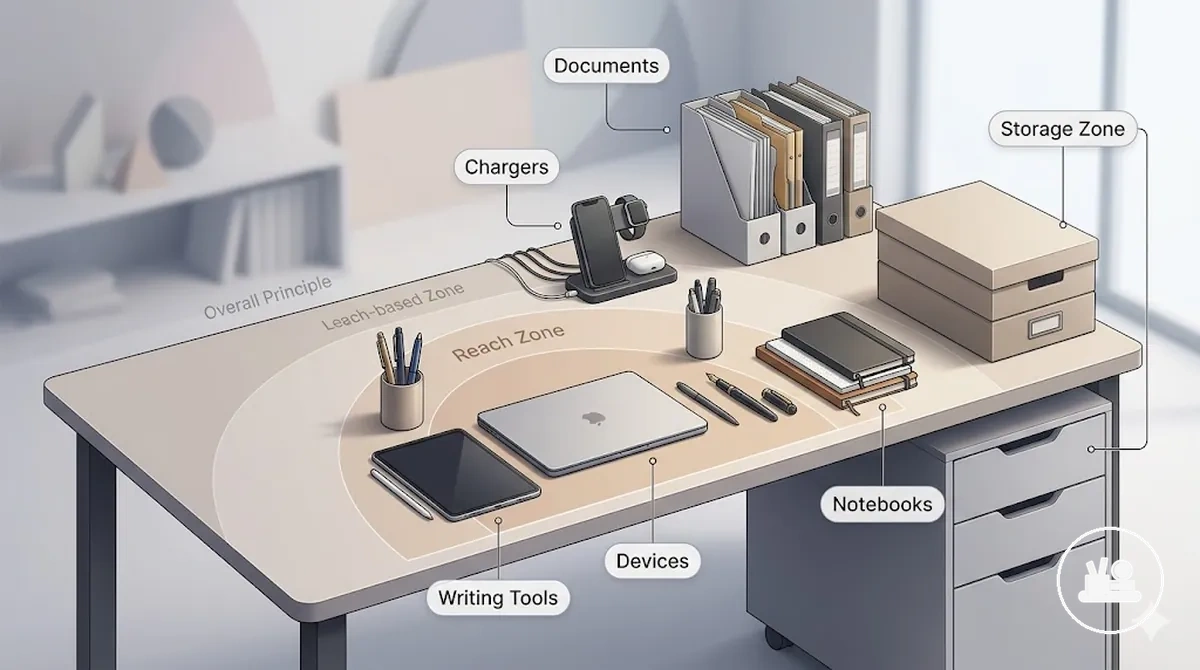
- Writing tools – high-frequency use requires visible placement and easy reach for quick writing access
- Notebooks – regular reference use suggests keeping them in a nearby open zone rather than stored away
- Devices – frequent use devices stay in central reach areas to reduce movement during tasks
- Chargers – intermittent use allows partial storage but with accessible cable reach points
- Documents – active paperwork stays visible, while completed sets can move to storage zones
- Small supplies – mixed frequency use benefits from compact containers placed within close reach
Comfort, focus, and surface support
A desk surface with friction from scattered tools, uneven placement, or limited open area can affect comfort, focus, and surface support during daily work tasks. These conditions influence how smoothly writing tools, devices, and documents are used, depending on the workspace setup and access patterns. In many cases, the outcome remains conditional and varies by how the desk is organized and used.
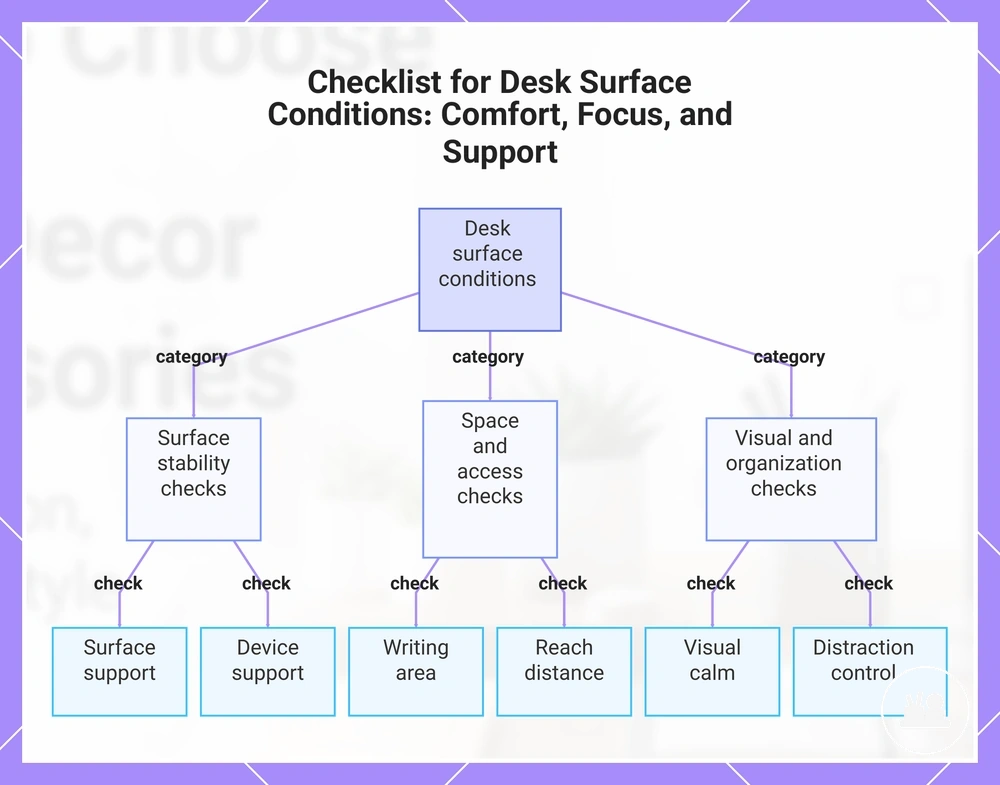
Comfort, focus, and surface support depend on reducing friction on the desk and maintaining clear space for the writing area and device support zones. Visual calm and controlled reach distance may also influence how manageable the workspace feels during use, but these effects depend on the individual setup and usage pattern. The checklist below helps review these conditions for conditional use quality on the desk surface.
- Surface support – checks whether the desk provides stable use for writing tools and devices without disruption
- Reach distance – evaluates if frequently used items remain within practical access range during daily work tasks
- Writing area – ensures sufficient clear space for writing tools without obstruction from other items
- Device support – checks whether devices can be positioned and used without surface interference
- Visual calm – assesses whether the layout avoids unnecessary visual overload on the desk
- Distraction control – reviews whether documents and small supplies remain organized to reduce surface clutter
This chart groups six desk surface conditions into three categories to help review workspace comfort, focus, and stable support.
Desk size, layout, and open workspace limits
Desk decor accessories should fit the desk size and layout without reducing usable workspace. The primary requirement is that every accessory preserves open workspace so the main working area remains functional. Fit decisions depend on how much usable workspace is left after considering each accessory’s footprint and placement.
Different layout conditions such as compact desks, shared desks, and limited-depth surfaces affect width, depth, monitor placement, writing zone, storage footprint, vertical space, and cable paths. These constraints influence how accessories interact with the desk surface, especially when multiple items compete for limited open area. As a result, open workspace limits become the key reference for evaluating physical fit.
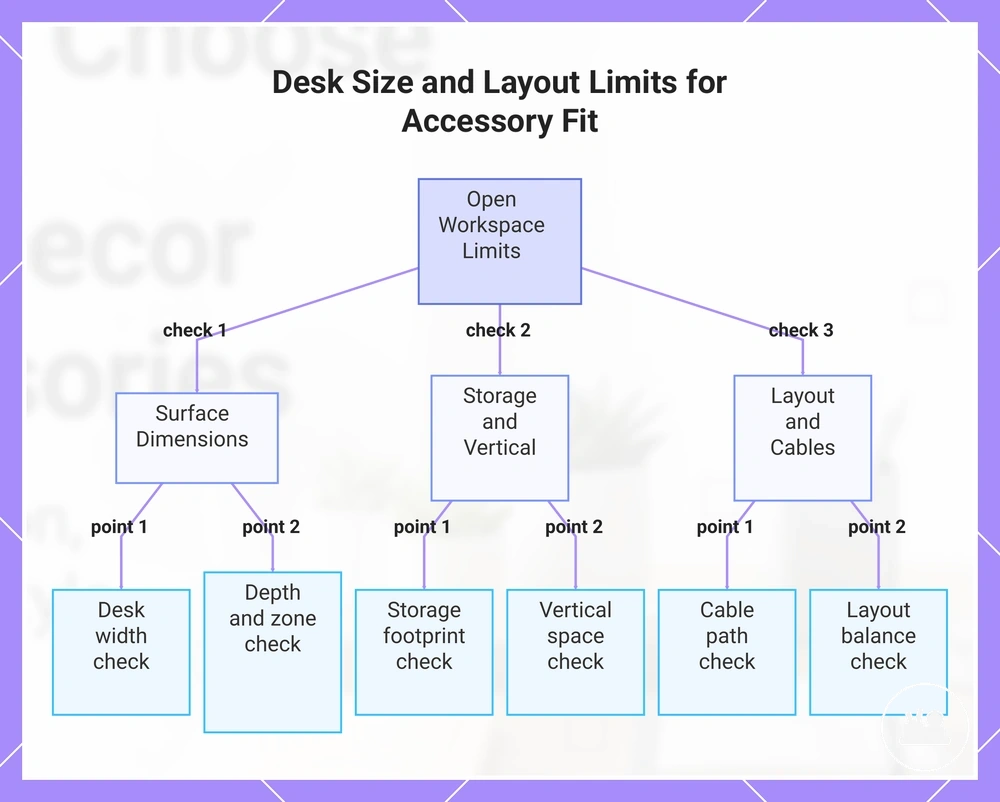
The sizing checklist below helps assess desk size, layout, and open workspace limits before selecting accessories. It verifies whether the accessory maintains usable workspace and avoids unnecessary clutter or interference.
- Desk width – checks whether the accessory reduces usable horizontal workspace or crowds working zones
- Desk depth – evaluates interference with monitor placement and forward writing zone
- Writing zone – ensures clear space remains for writing tools without obstruction
- Monitor placement – confirms screen positioning is not pushed into an uncomfortable or restricted layout
- Storage footprint – assesses whether storage items reduce open workspace needed for daily use
- Vertical space – checks whether stacked items block visibility or usable reach
- Cable paths – ensures device-related accessories do not obstruct cable routing or connectivity
- Layout balance – evaluates whether compact or shared desks retain usable workspace after placement
For tighter environments, especially where open workspace is limited, consider desk decor accessories for small desks for additional guidance on constrained layouts.
This chart shows the main workspace limits and checklist items for verifying that desk accessories preserve usable open space.
Functional storage and decorative balance
Functional storage and decorative balance depends on whether a desk accessory earns its space through storage capacity, decorative value, or a combination of both. The decision is shaped by object visibility, visual weight, and space cost, which together determine how an item affects the desk surface. In many cases, selection risk increases when one role dominates without supporting usable workspace conditions.
The idea that functional and decorative accessories are strictly separate is misleading because many items overlap in both roles depending on frequency of use and placement context. A storage-focused object can still carry strong visual weight, while decorative items may still influence storage capacity indirectly by occupying usable areas. This overlap makes selection a matter of balance rather than fixed categories.
The comparison below shows how functional vs decorative desk accessories differ in selection behavior when evaluated through practical desk conditions. It helps clarify trade-offs where functional storage and decorative balance compete or overlap.
| Functional signal | Decorative signal |
|---|---|
| Higher storage capacity supports frequent use items and structured organization | Higher object visibility emphasizes style impact and visual presentation |
| Lower visual weight when designed for compact utility-focused placement | Higher visual weight when designed as focal or aesthetic pieces |
| Space cost is justified by frequency of use and practical need | Space cost is justified by decorative value and visual balance |
| Improves functional flow when aligned with daily access patterns | Improves visual balance when aligned with overall desk aesthetics |
| Selection risk increases when storage capacity reduces usable workspace | Selection risk increases when decorative value overwhelms usable surface area |
Style, color, material, and finish alignment
Style, color, material, and finish alignment depends on how desk decor accessories match the surrounding workspace while still supporting functional use. The key factor is attribute alignment between style, color, material, finish, and surrounding objects, where visual consistency and practical suitability must be balanced together rather than treated separately. In most cases, style should guide support decisions, not override them.
Consistent finishes often create visual stability across the workspace, while mixed finishes can introduce controlled contrast depending on how material and texture interact. However, higher contrast level choices may increase selection risk if they disrupt workspace style or reduce visual balance across the desk surface. Because of this, outcomes usually depend on how color, material, finish, texture, durability perception, and cleaning tolerance work together in context.
The attribute relationship below explains how style, color, material, and finish alignment translates into visual and practical outcomes for desk decor accessories.
Understanding these choices is closely connected to material, color, size, and finish decisions that shape overall workspace consistency.
| Attribute | Value or condition | Visual effect | Practical decision |
|---|---|---|---|
| Material | Wood, metal, plastic, mixed | Defines style tone and perceived quality | Affects durability perception and long-term use suitability |
| Color temperature | Warm, neutral, cool | Shapes workspace style and visual comfort | Influences compatibility with surrounding objects |
| Finish | Matte, glossy, textured | Controls reflection and visual weight | Impacts cleaning tolerance and maintenance effort |
| Texture | Smooth or patterned | Adds depth and surface variation | May affect cleaning frequency and dust visibility |
| Contrast level | Low, medium, high | Defines separation from workspace style | Can increase or reduce selection risk |
| Cleaning tolerance | Low to high maintenance surfaces | Affects long-term visual consistency | Determines upkeep effort in daily use |
Accessory set compatibility with the workspace
An accessory set is compatible with a workspace only when its components work together within the same desk layout, storage role, and available footprint. The decision depends on how the accessory set supports the workspace as a system rather than as separate items, especially through shared materials, functional alignment, and spatial efficiency. Acceptance is conditional on whether the set fits real workspace needs without reducing usable desk function.
Compatibility issues often appear when accessory set components overlap in duplicate functions or when the combined footprint exceeds available desk layout capacity. Even when shared materials and visual consistency are present, mismatch can still occur if storage role distribution is unclear or if duplicate functions reduce efficiency. For this reason, compatibility must be judged through components, workspace condition, and acceptance decision logic rather than appearance alone.
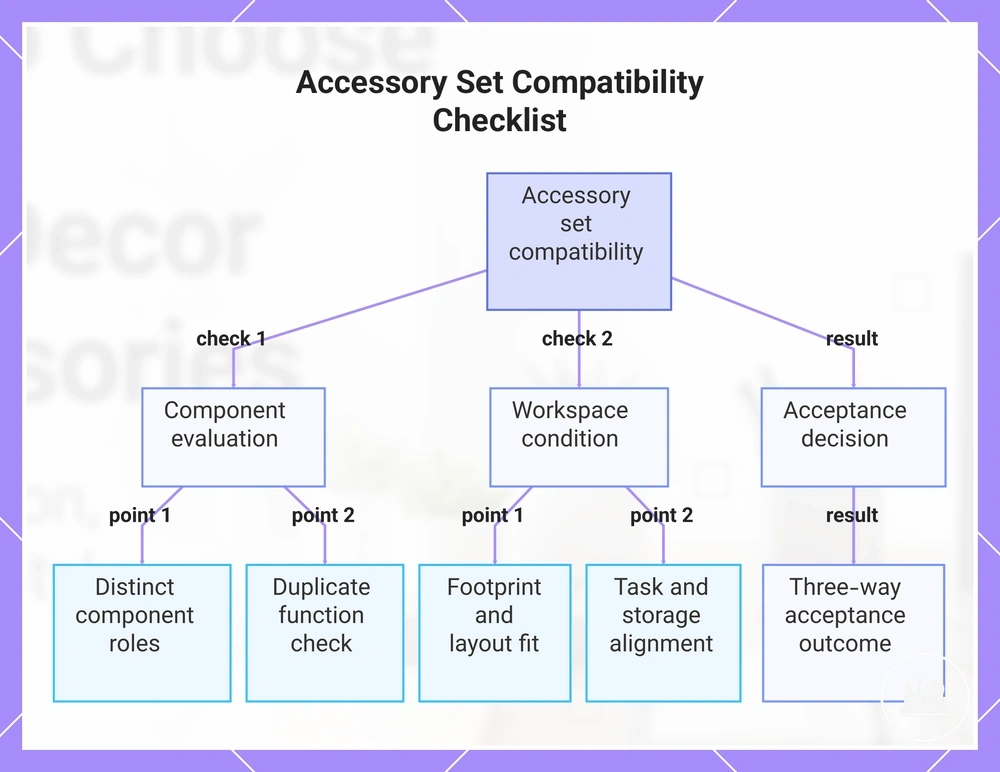
The checklist below explains how accessory set compatibility can be evaluated by reviewing components, shared materials, footprint, storage role, desk layout, and duplicate functions in relation to workspace needs.
- Component role – checks whether each accessory set component serves a distinct workspace function
- Shared materials – evaluates whether material consistency supports coordinated set compatibility across the workspace
- Footprint – assesses whether total set size fits available desk layout without restricting usable space
- Storage role – verifies whether storage elements support actual workspace tasks and usage frequency
- Duplicate functions – identifies overlapping components that may reduce efficiency or create redundancy
- Desk layout fit – checks whether arrangement aligns with natural workspace movement and reach zones
- Workspace condition – evaluates whether the set matches real task needs and working patterns
- Acceptance decision – determines whether the accessory set should be accepted, adjusted, or rejected based on overall compatibility
This chart organizes the key checklist items for determining whether an accessory set is compatible with a workspace, covering component functions, workspace conditions, and the final acceptance decision.
Matching sets versus individual desk accessories
Matching sets versus individual desk accessories depends on whether coordination or flexibility is more important for the workspace. Matching sets are more suitable when consistent visual coordination and unified style control are required across all components. Individual desk accessories are better when replacement flexibility, budget control, and gradual future expansion matter more in daily use decisions.
Matching sets often improve coordination but can introduce duplicate pieces that limit adjustment over time, while individual desk accessories allow incremental changes and reduce waste from unnecessary components. The decision typically depends on balancing style control against flexibility, especially when workspace needs evolve or when layout adjustments are expected.
This comparison shows how compare desk decor accessories depends on coordination and flexibility as the main decision factors.
| Choice | Best fit condition | Trade-off |
|---|---|---|
| Matching sets | When coordination and consistent style control are priority | Reduced replacement flexibility and possible duplicate pieces |
| Individual desk accessories | When flexibility, budget control, and future expansion are priority | Less immediate visual consistency across components |
| Mixed approach | When partial coordination with gradual upgrades is needed | Requires ongoing adjustment for style and layout balance |
| Replacement scenario | When updating or swapping specific components over time | Temporary mismatch in coordination during transitions |
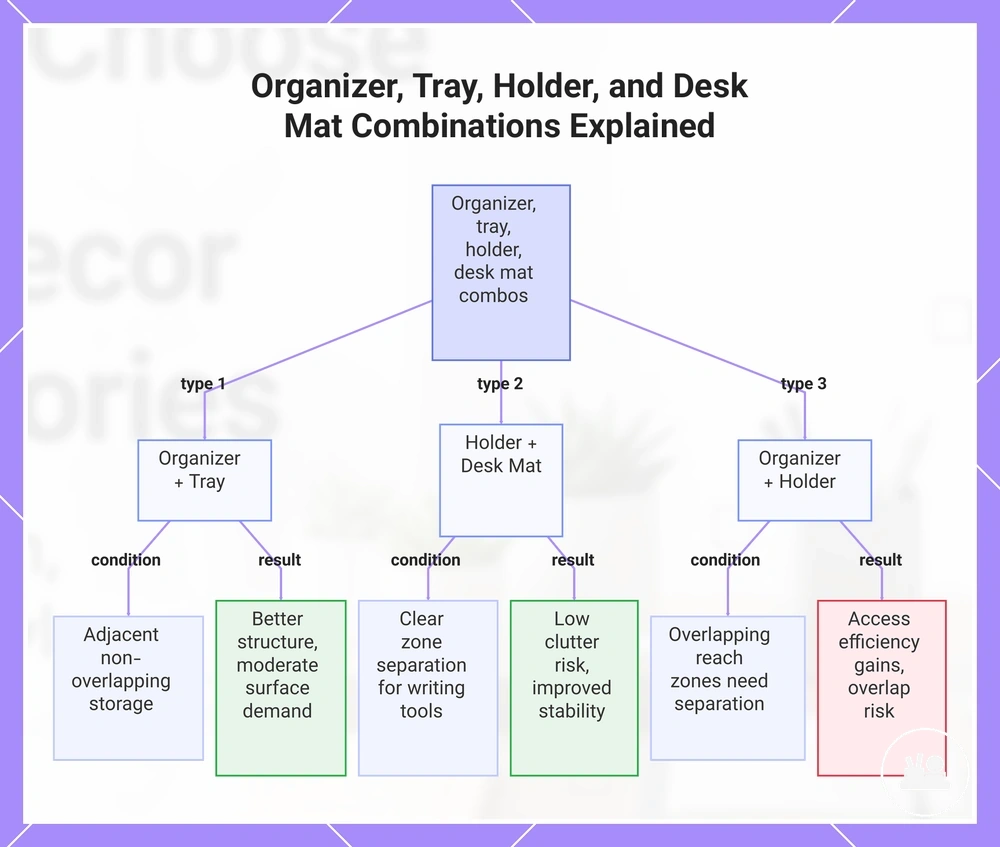
Organizer, tray, holder, and desk mat combinations
Organizer, tray, holder, and desk mat combinations depend on how each component’s role overlaps and how much surface demand the desk can support. A typical arrangement places an organizer with a tray and a holder on a desk mat to separate writing and storage zones. These combinations work when spacing condition keeps each component distinct, while overlap in function is kept minimal to avoid redundancy.
The following view explains organizer, tray, holder, and desk mat combinations by focusing on component interaction, role clarity, spacing condition, and combined effect on workspace surface demand.
- Organizer + tray — organizer manages storage role for small items, tray groups loose supplies; spacing condition requires adjacent but non-overlapping placement; combined effect improves structure with moderate surface demand
- Holder + desk mat — holder supports pens or small tools while desk mat defines writing zone; spacing condition depends on clear zone separation; combined effect improves stability with low clutter risk
- Storage box + decorative object — storage role combined with visual element; spacing condition works best at desk edges; combined effect adds utility but increases visual and surface load
- Tray + small supplies — tray handles grouping of frequently used items; spacing condition requires high-access placement zone; combined effect reduces scatter and controls surface demand
- Organizer + holder — overlapping access components with similar reach zones; spacing condition requires separation to avoid redundancy; combined effect improves access efficiency but may increase overlap risk
This chart shows three common component combinations, their spacing conditions, and combined effects on workspace surface demand.
Final desk decor accessory buying checklist
The final desk decor accessory buying checklist verifies whether an item matches workspace need, usefulness, value, and risk before moving toward any commercial next step. It consolidates selection criteria into a structured buying checklist so decisions stay consistent, measurable, and based on real desk conditions rather than assumptions.
Decision uncertainty usually appears when multiple accessories seem suitable but differ in function, size, or decorative balance. In such cases, trade-offs between durability, clutter risk, and material suitability can make selection unclear, especially when set compatibility or workspace constraints are involved. Because of this, a structured evaluation helps reduce mismatch between intention and actual desk use.
The final desk decor accessory buying checklist organizes selection criteria such as workspace need, desk size, function, decorative balance, material suitability, set compatibility, value, durability, and clutter risk into clear decision checks. It also connects budget and value as part of the overall evaluation before final selection decisions are made.
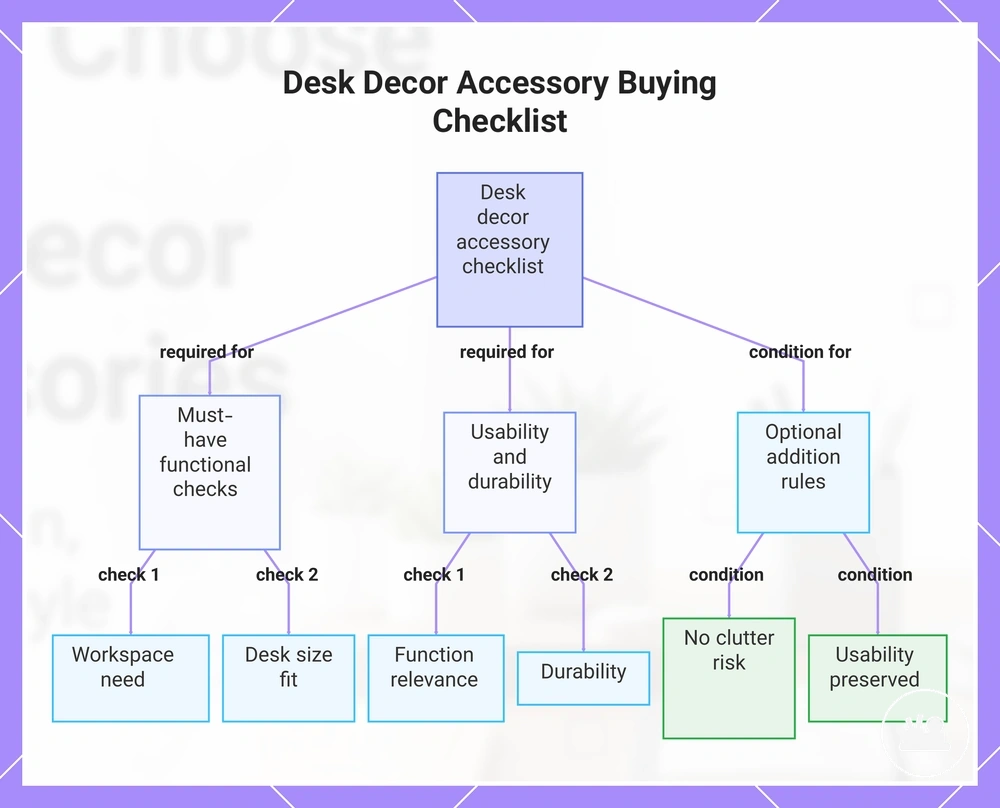
Must-have functional items should always pass workspace need, desk size fit, function relevance, and durability checks, while optional additions are only suitable when they do not increase clutter risk or reduce usability. For a broader comparison of outcomes, refer to desk decor accessories worth buying.
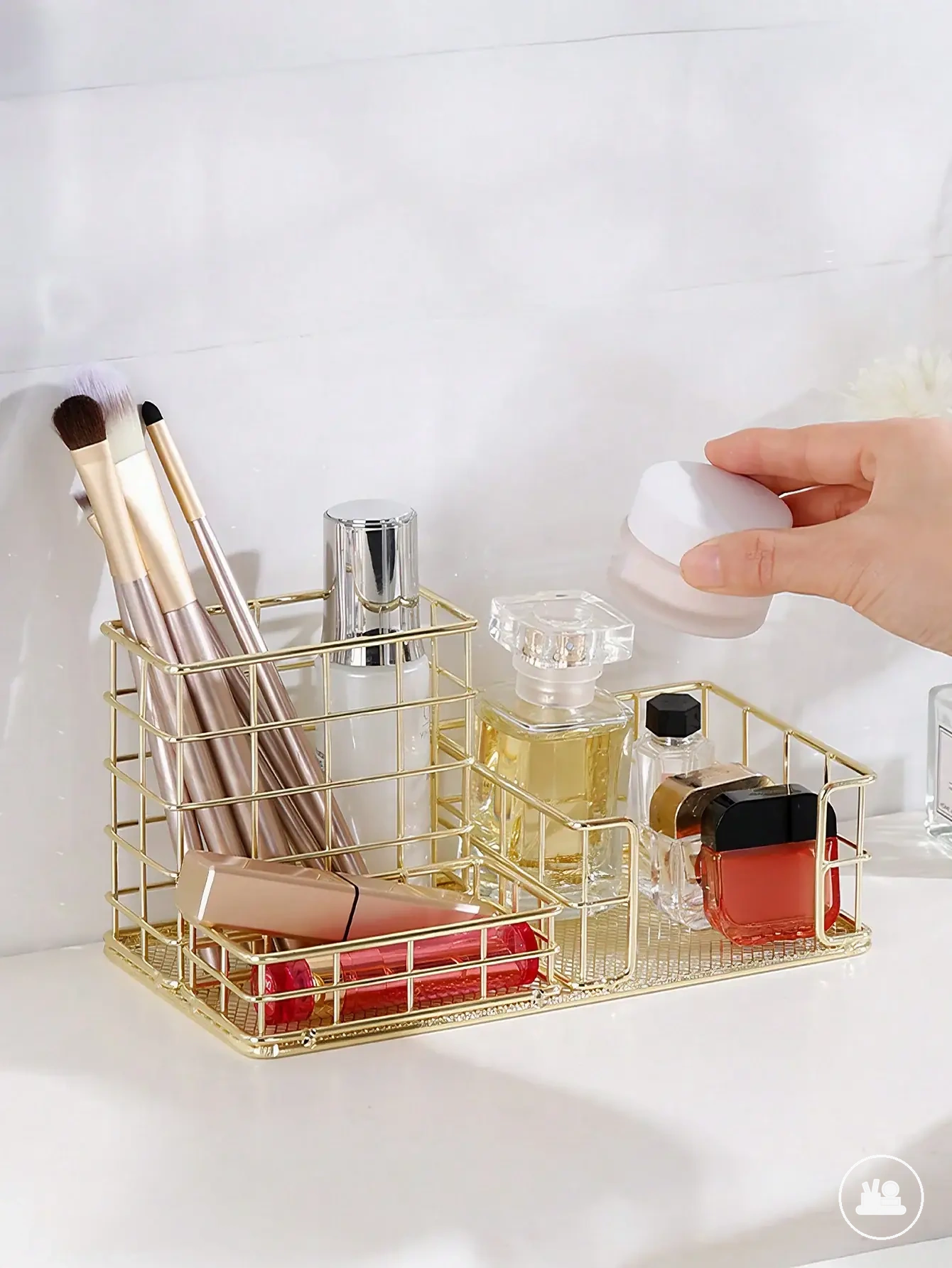
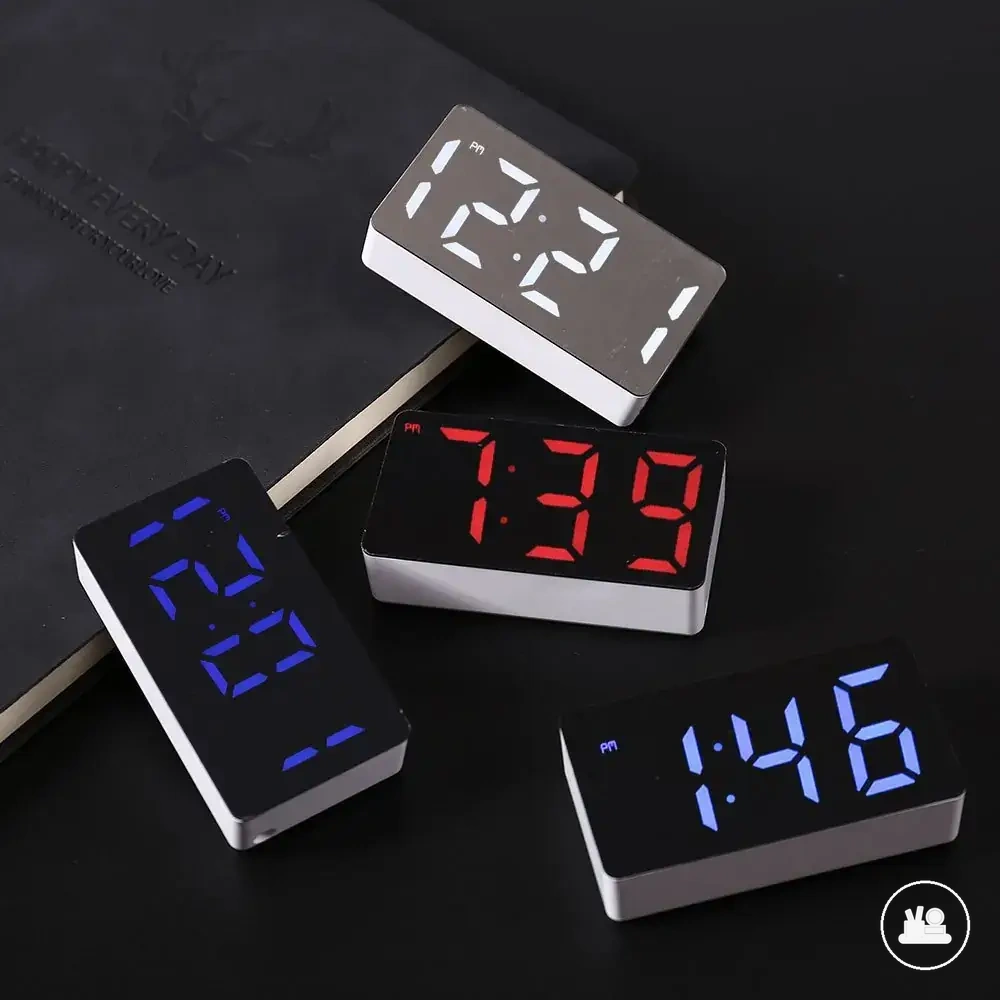
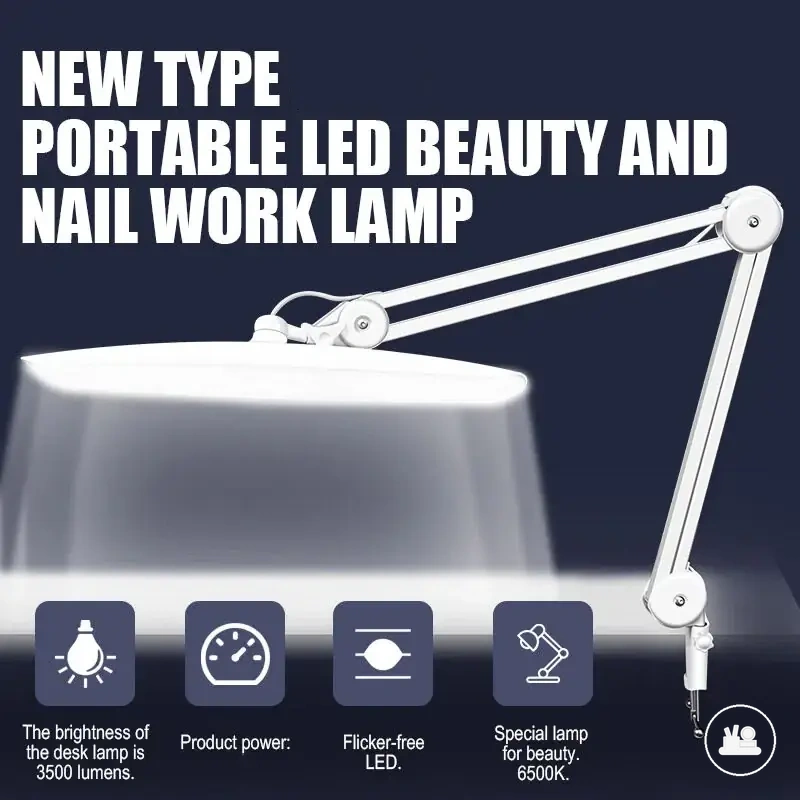
Here are product examples that may make comparison easier. Before buying, always review the compatibility criteria, essential features, and product details.


- Workspace need – verifies whether the accessory directly supports daily desk tasks rather than being purely decorative
- Desk size – checks if the item fits the available surface without reducing usable workspace
- Function – evaluates whether it improves organization, access, or usability in real use conditions
- Decorative balance – ensures visual design does not overwhelm functional desk layout
- Material suitability – confirms durability and maintenance fit for regular desk use
- Set compatibility – checks whether components work together without redundancy or overlap
- Value – evaluates usefulness relative to space and functional cost
- Durability – assesses ability to withstand repeated daily use
- Clutter risk – identifies whether the item reduces efficiency by overloading the surface
- Optional additions – includes decorative items only when functional criteria are already satisfied
This chart shows the main evaluation checks for desk decor accessories, distinguishing essential criteria for functional items from conditions for optional additions.
Usefulness, durability, and price-fit checks
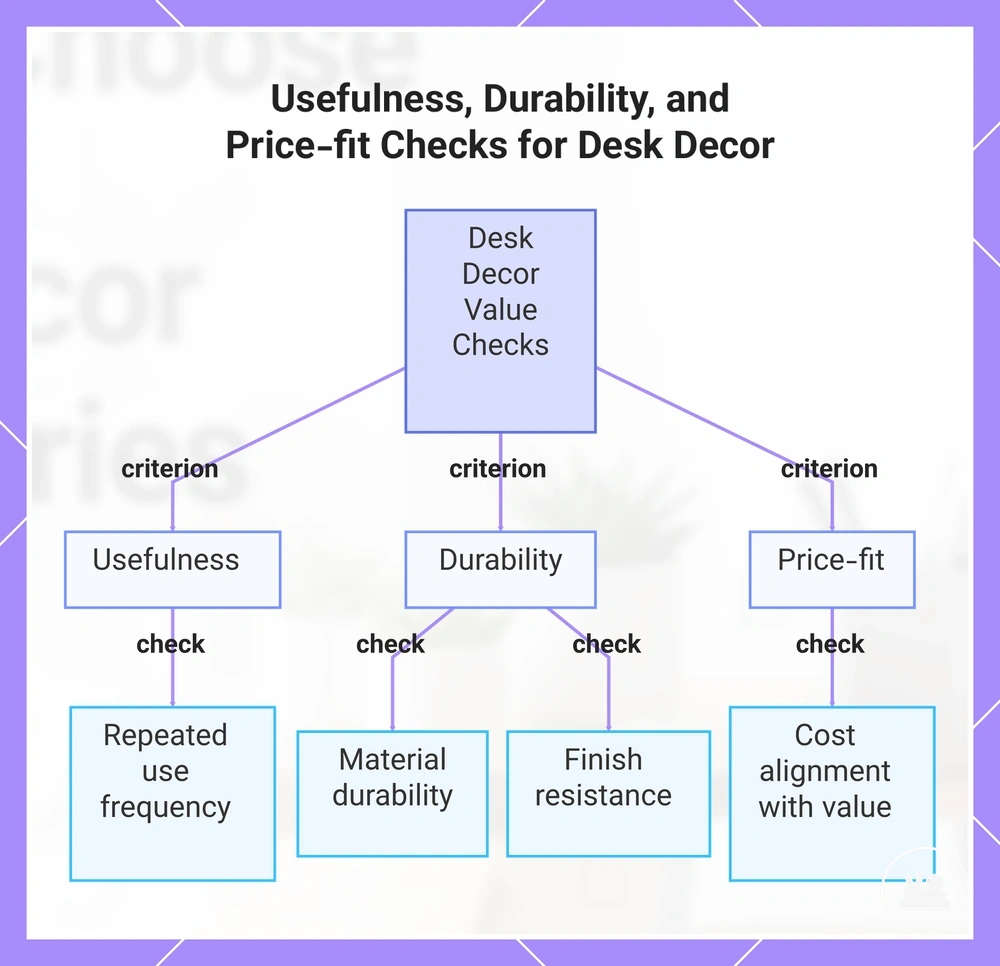
Usefulness, durability, and price-fit checks determine whether a desk decor accessory delivers real value based on repeated use, material durability, and fit rather than price alone. Value depends on how frequently the item is used, how well it withstands wear, and how appropriately its cost aligns with its functional role. In many cases, this assessment remains conditional and depends on real usage patterns and material behavior. :contentReference[oaicite:0]{index=0}
Cost-value evaluation becomes uncertain when an accessory appears suitable visually but performs differently under repeated use or maintenance conditions. In such cases, factors like cleaning effort, finish resistance, and replacement likelihood become important because they influence long-term usability. A structured view helps separate everyday value from short-term appearance, especially when applying budget and value criteria.
The mini-checklist below helps assess usefulness, durability, and price-fit by converting cost-value criteria into clear decision signals.
- Repeated use – checks whether the accessory is used frequently enough to justify its space and cost
- Material durability – evaluates whether the material can handle regular desk use without early wear
- Finish resistance – assesses resistance to scratches, stains, or fading over time
- Cleaning effort – evaluates whether maintenance requirements are practical for daily workspace use
- Replacement likelihood – estimates how often the item may need replacement under normal conditions
- Price-fit – checks whether cost aligns with usefulness, durability, and long-term value outcome
This chart outlines the three main value checks—usefulness, durability, and price-fit—and the key criteria for evaluating a desk decor accessory.
Clutter, cable, and maintenance risk checks
Clutter, cable, and maintenance risk checks determine whether attractive desk decor accessories may still reduce usability in real workspace conditions. Even well-designed items can introduce clutter, cable conflict, or higher maintenance effort depending on placement and material behavior. These risk checks help identify whether an accessory remains suitable under everyday desk conditions. :contentReference[oaicite:0]{index=0}
The risk-check list below evaluates common conditions where clutter, cable, and maintenance factors can make otherwise suitable accessories unsuitable for long-term use.
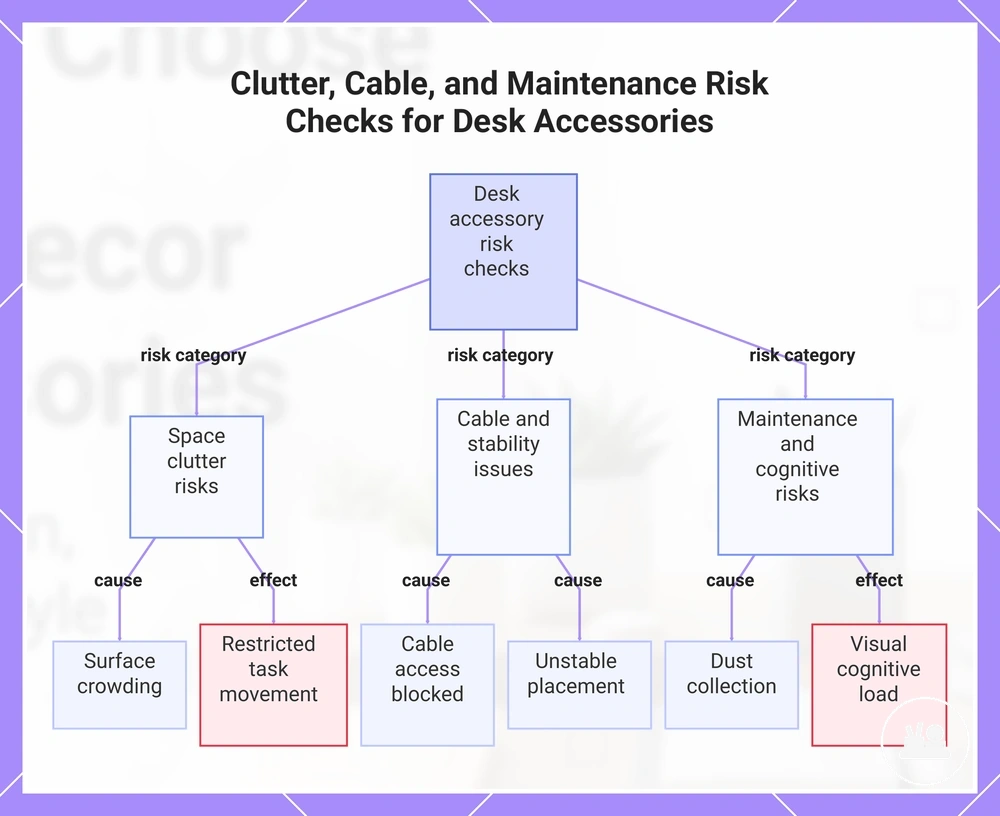
- Clutter → high accessory density in limited space → surface crowding reduces usable workspace and restricts task movement
- Cable blockage → placement near device or charging zone → cable access becomes restricted and reduces workflow efficiency
- Dust collection → textured or open surfaces → increases maintenance effort and leads to higher cleaning difficulty over time
- Unstable placement → weak base or uneven contact → accessory shifts during use and reduces functional stability
- Duplicate storage → overlapping organizers or trays → increases redundancy and contributes to surface crowding
- Visual noise → mixed shapes, colors, or dense layouts → reduces focus and increases cognitive load in the workspace
This chart shows the main risk categories that can make otherwise suitable desk accessories problematic in everyday use, including space clutter, cable and stability issues, and maintenance or cognitive factors.