
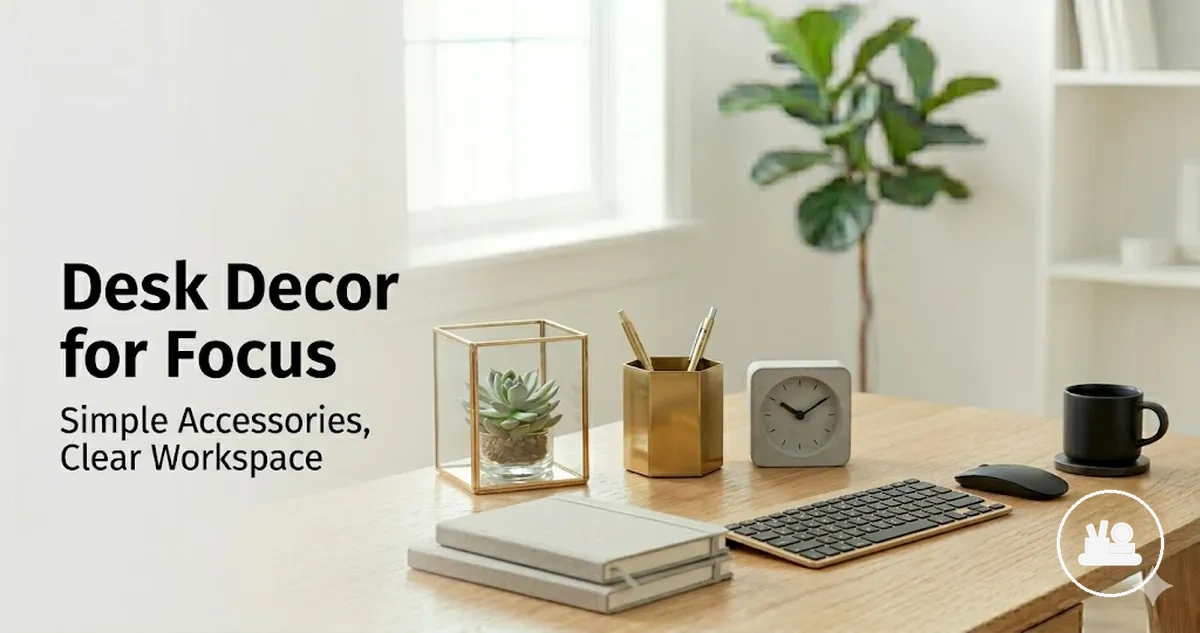
Desk Decor Accessories for Focus and Concentration in Workspaces
Desk decor accessories for focus are workspace objects that help shape visual order, reduce unnecessary surface noise, and support a more stable attention environment during work. A desk can make concentration easier when frequently used items are organized, decorative elements are controlled, and the working surface does not compete with the task. This does not mean every accessory improves focus; the effect depends on object count, placement, function, and how clearly the desk supports the work being done. When desk decor accessories create order instead of distraction, they become part of the workspace structure rather than decoration alone. That structure matters because visual noise can increase cognitive load.
Desk decor accessories can support attention stability when they make the desk easier to read, easier to use, and less distracting. Functional organization may reduce time spent searching for items, while a cleaner visual setup may reduce small interruptions that break task flow. Decorative pieces can still belong in a focus-oriented workspace when they are limited, visually consistent, and placed outside the main work zone. The goal is not an empty desk; the goal is a desk where each visible object has a clear role or a calm visual purpose. In that sense, focus-friendly desk decor connects workspace appearance with work behavior. This creates the bridge between visual arrangement, functional order, and sustained concentration.
What Desk Decor Accessories Mean for Focus and How They Shape Work Concentration
Desk decor accessories are objects that help organize visual space and influence attention flow during work. In the context of focus, these accessories are defined not only by appearance but also by their ability to support visual order, separate work-related areas, and reduce unnecessary distractions. Desk decor accessories can contribute to a clearer workspace when they reinforce structure rather than compete for attention. Their role is to help create an environment where work-related items remain easier to locate and use.
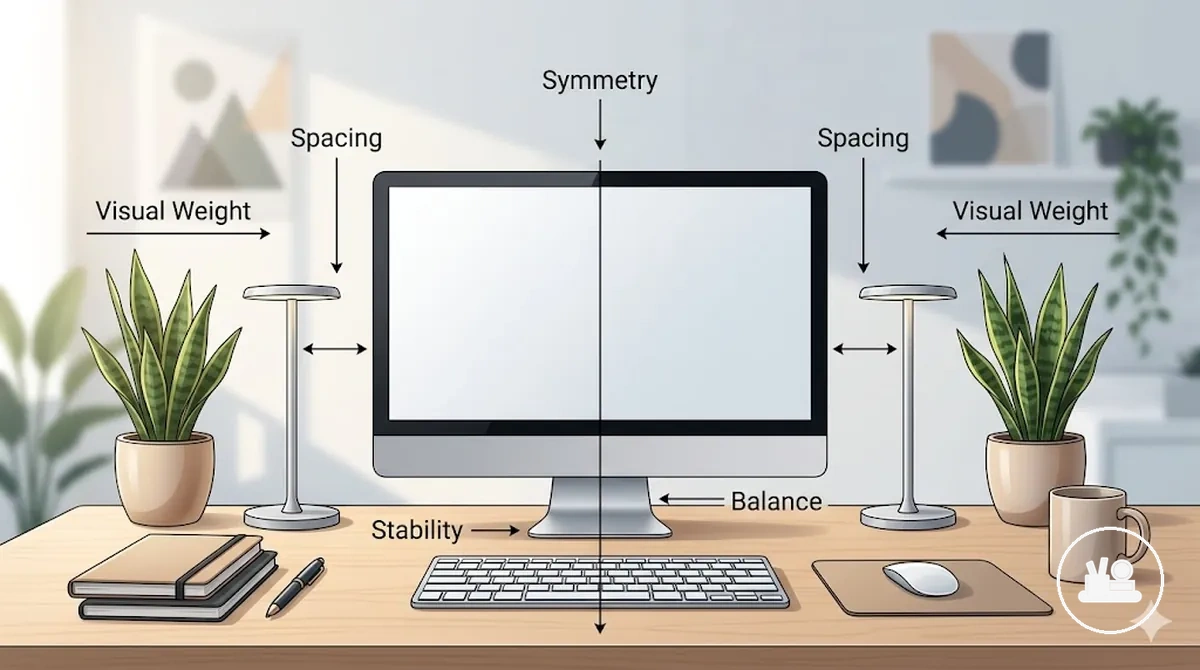
Desk decor accessories may help reduce cognitive overload by organizing space into functional zones and creating clearer boundaries between work materials and distractions. When frequently used items have a defined place and unrelated objects remain outside the primary work area, attention can stay directed toward tasks more consistently. However, the effect depends on workspace layout, object density, and individual working preferences. As a boundary distinction, focus-supporting desk decor accessories contribute to organization and attention flow, while purely aesthetic clutter can increase visual complexity without providing a functional role within the workspace.
How Desk Decor Influences Attention, Cognitive Load, and Distraction Control at Work
Attributes of desk decor accessories influence attention and cognitive load through the way they shape visual clarity within a workspace. Object density affects how much visual information competes for attention at one time, material consistency can create a more unified visual environment, color tone may influence how prominently objects stand out, and spatial spacing helps separate work-related items from surrounding distractions. Well-placed functional desk accessories can support visual clarity and task continuity when they reinforce organization rather than add competing points of focus. The overall effect depends on how these attributes work together within the workspace.
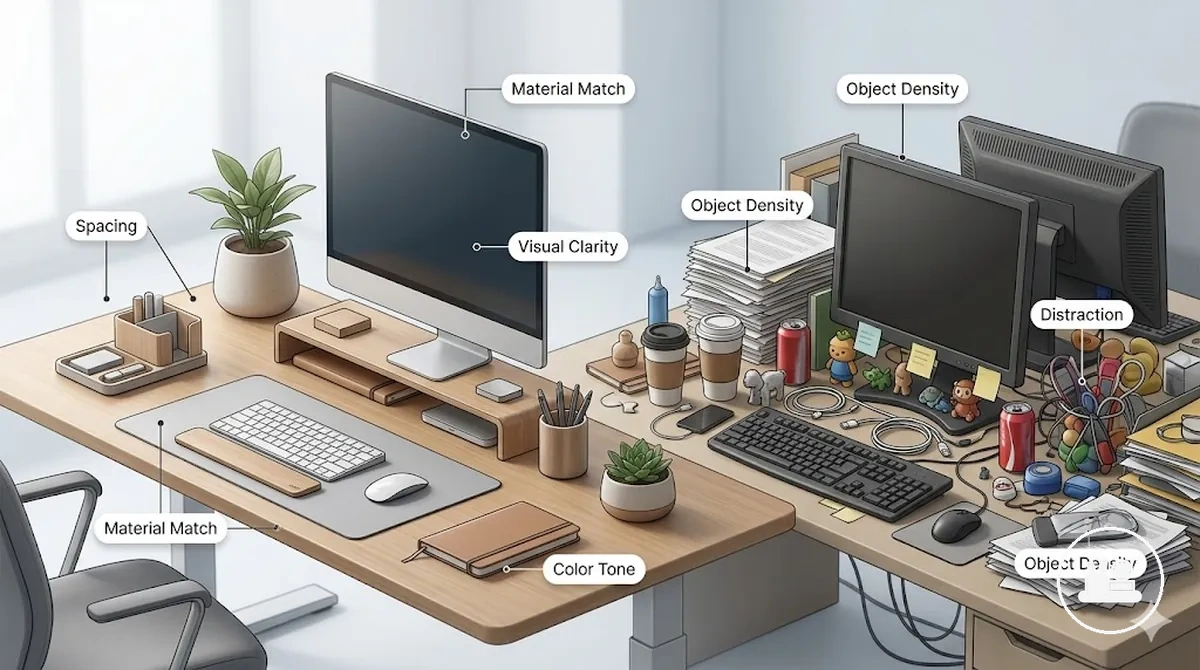
A high-clutter desk setup often contains more competing visual elements, which may increase distraction and make it harder to maintain attention on a primary task. In contrast, a structured desk environment with intentional spacing, coordinated materials, and controlled visual density can make work zones easier to distinguish and navigate. This does not mean a minimal setup is automatically more effective for every person, since attention preferences and work styles vary. However, functional desk accessories that support organization and visual separation often contribute to a lower-distraction environment than arrangements where decorative objects occupy a larger share of the visible workspace.
Minimal and Clutter-Free Desk Setups for Better Focus and Productivity
A focus-friendly minimal desk setup depends on reduced visual noise, a controlled object count, and a clear spatial hierarchy across the workspace. The objective is not to remove all accessories but to keep only items that support work tasks or workspace organization. minimal desk decor accessories can help preserve visual clarity when they maintain open surface space, limit competing visual elements, and keep essential tools within easy reach. The suitability of a minimal setup depends on desk dimensions, task requirements, and individual working preferences.
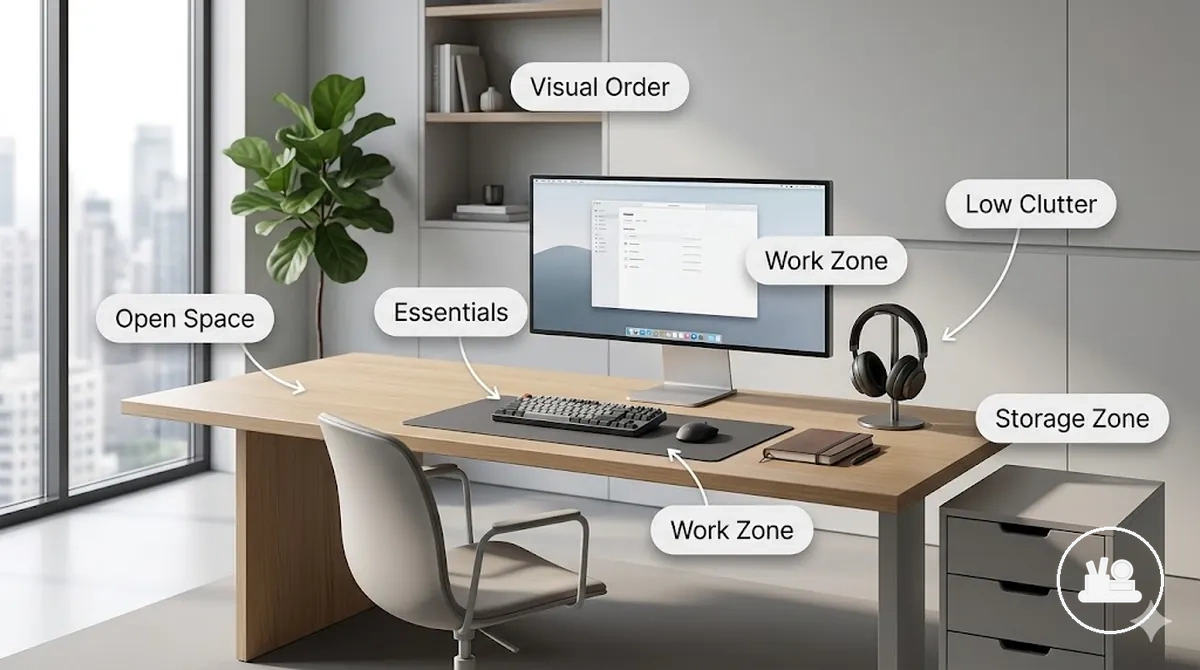
A practical checklist for a minimal desk setup includes preserving sufficient surface space for active work, restricting visible items to essential objects, and separating primary work zones from storage or non-work areas. Smaller desks may benefit from stricter object control because available space is more limited, while larger desks can often accommodate additional items without creating the same visual density. For many working styles, minimal desk decor accessories support focus when they reinforce organization and spatial clarity rather than introduce additional points of visual attention.
Functional Desk Accessories That Improve Focus and Work Efficiency
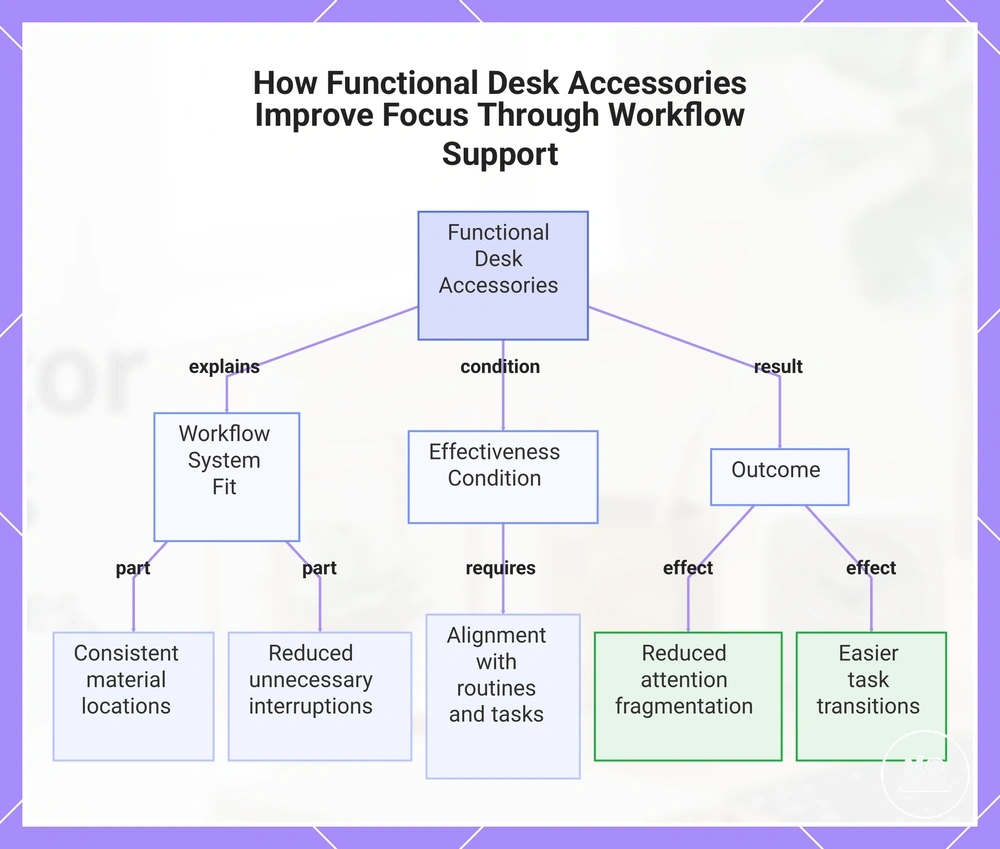
Functional desk accessories support structured workflows by reducing the effort required to locate materials, manage active tasks, and maintain workspace organization. Their contribution to focus comes from how they fit within a workflow system rather than from the accessories alone. When desk accessories for work desks establish consistent locations for work materials and reduce unnecessary interruptions, attention can remain directed toward active tasks with less fragmentation. The outcome depends on how closely the workspace layout aligns with daily work routines and task requirements.
In home office and professional environments, functional desk accessories are most effective when they support a clear workflow from task initiation to task completion. A structured layout can help separate active materials from reference resources, temporary documents, and non-work items, making transitions between tasks easier to manage. For example, desk accessories for work desks may support smoother task flow when work zones are clearly defined and frequently used materials remain consistently organized. This approach emphasizes workflow structure as a way to reduce attention fragmentation rather than relying on individual accessories to improve focus independently.
This chart shows the mechanism, conditions, and outcomes of using functional desk accessories to improve focus and work efficiency.
How to Arrange Desk Decor Accessories for a Focus-Oriented Workspace Layout
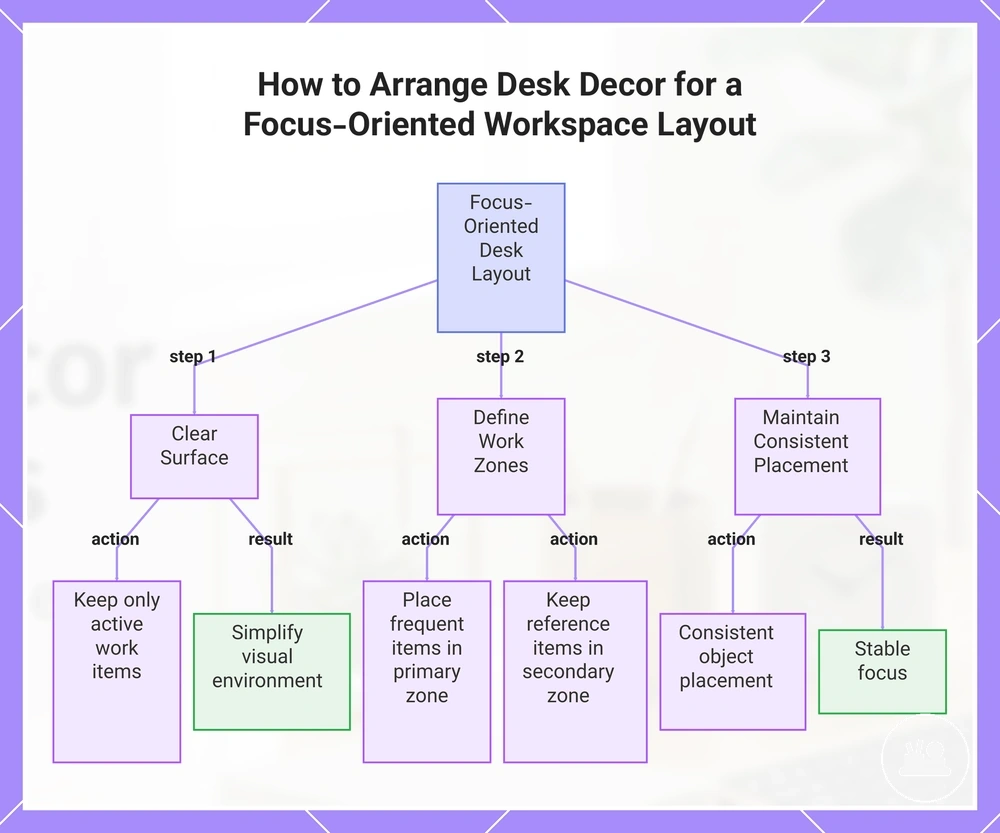
Arranging a focus-oriented workspace starts with creating a desk layout that reduces visual friction and supports a clear attention path throughout the work area. Begin by clearing the surface so that only items connected to active work remain visible. A simplified visual environment can make priorities easier to identify and may reduce interruptions caused by searching for materials or navigating around unrelated objects. The purpose of the arrangement is to support attention flow through intentional spatial organization rather than through the quantity of accessories on the desk.
Next, define work zones based on how tasks are performed and place frequently used items within easy reach of the primary work area. Keep active materials in the main zone, while reference resources and less frequently used items remain in secondary areas. This structured arrangement can reduce unnecessary cognitive switching because attention spends less effort moving between unrelated objects and activities. In many work environments, consistent object placement and clearly separated zones support more stable focus by making the workspace easier to interpret and navigate throughout the day.
This chart shows the three main steps to arrange desk decor accessories for a focus-oriented workspace: clearing the surface, defining work zones, and maintaining consistent placement.
Choosing Desk Decor Accessories for a Calm, Simple, and Productive Desk Environment
Choosing desk decor accessories depends on selecting items that support calm focus through functional clarity, efficient use of space, and minimal visual distraction. Accessories are often more suitable when they contribute to workspace organization without competing for attention. In many cases, minimal desk decor accessories help maintain a calmer desk environment when they reinforce structure and keep the workspace visually manageable.
Here are product examples that may make comparison easier. Before buying, always review the compatibility criteria, essential features, and product details.
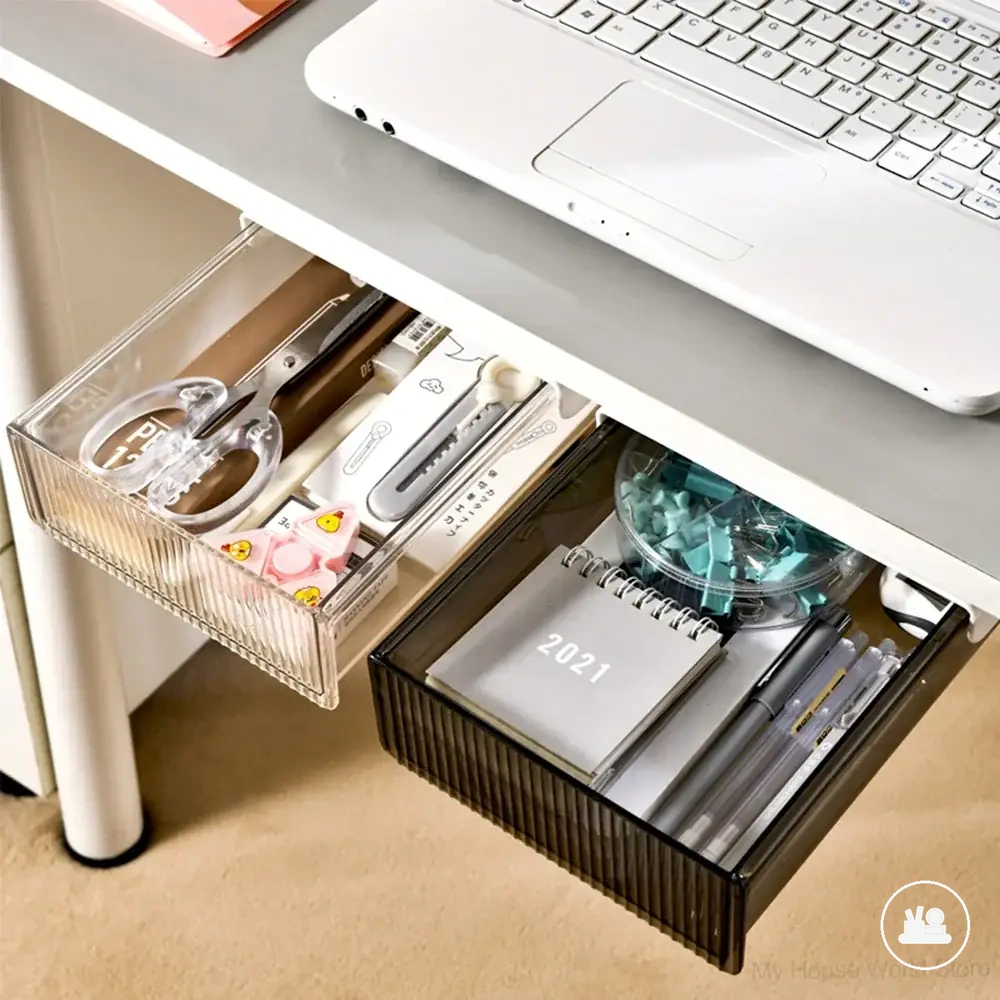
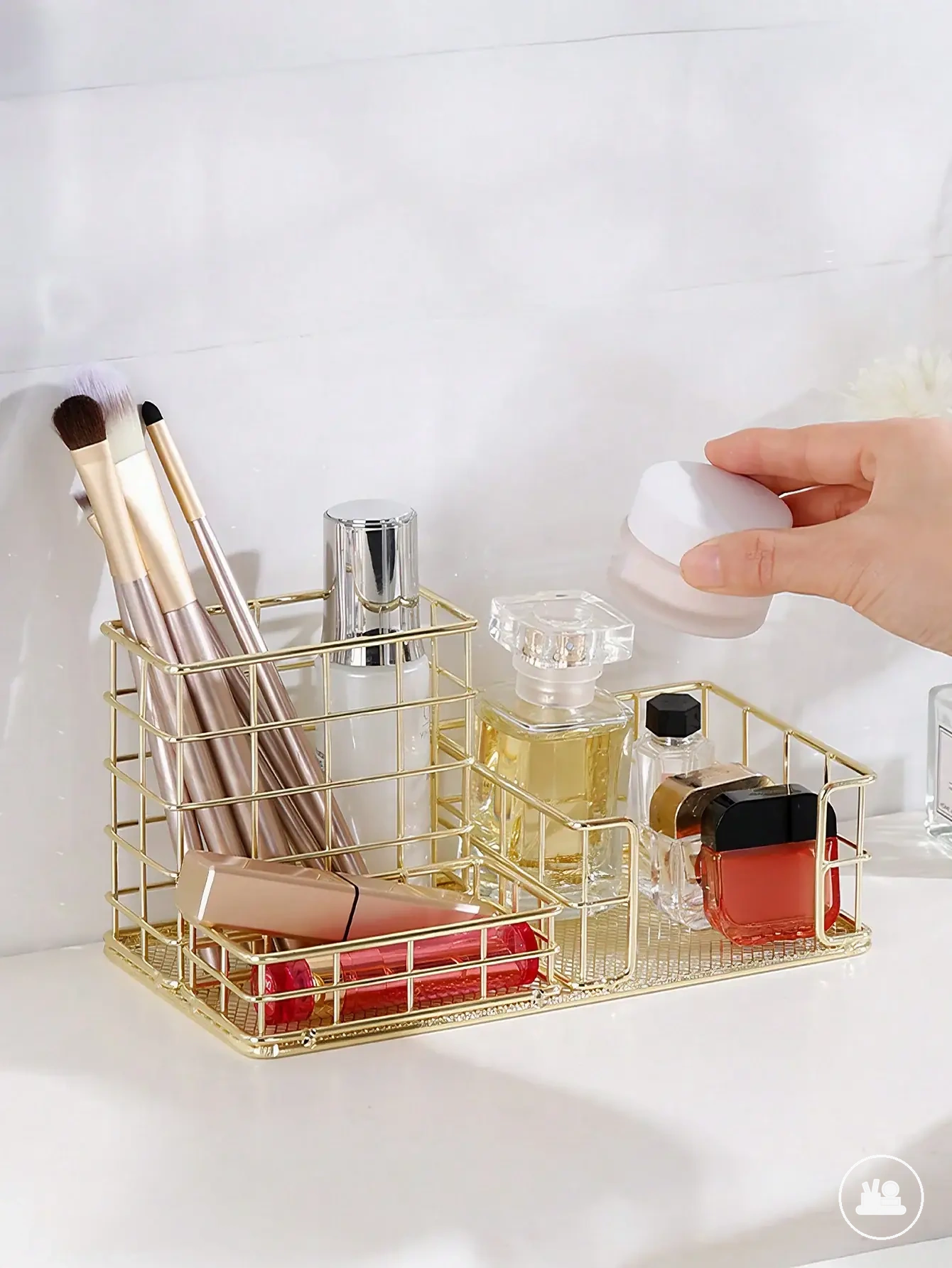
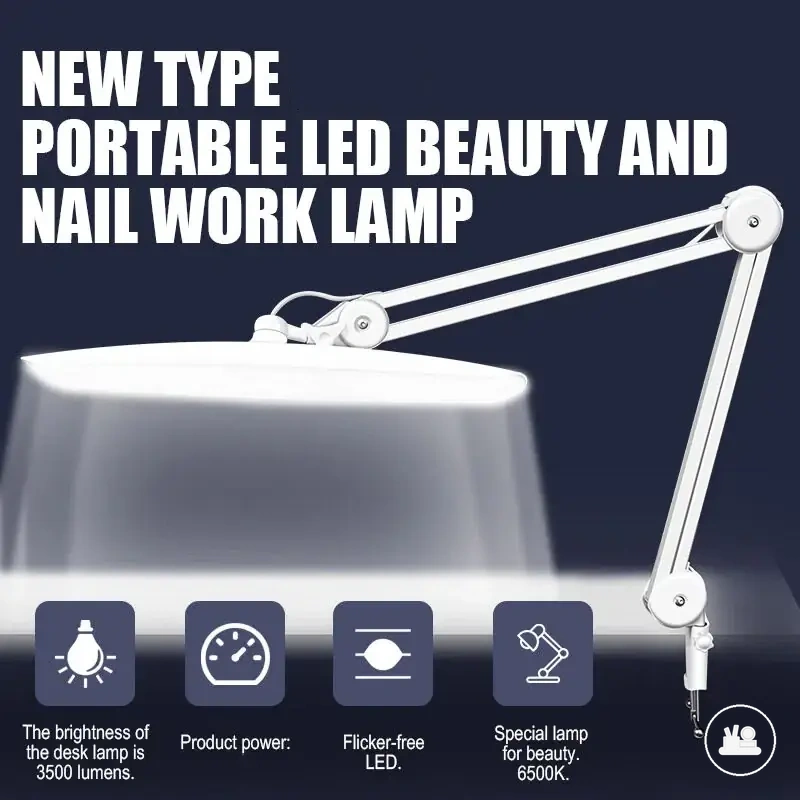
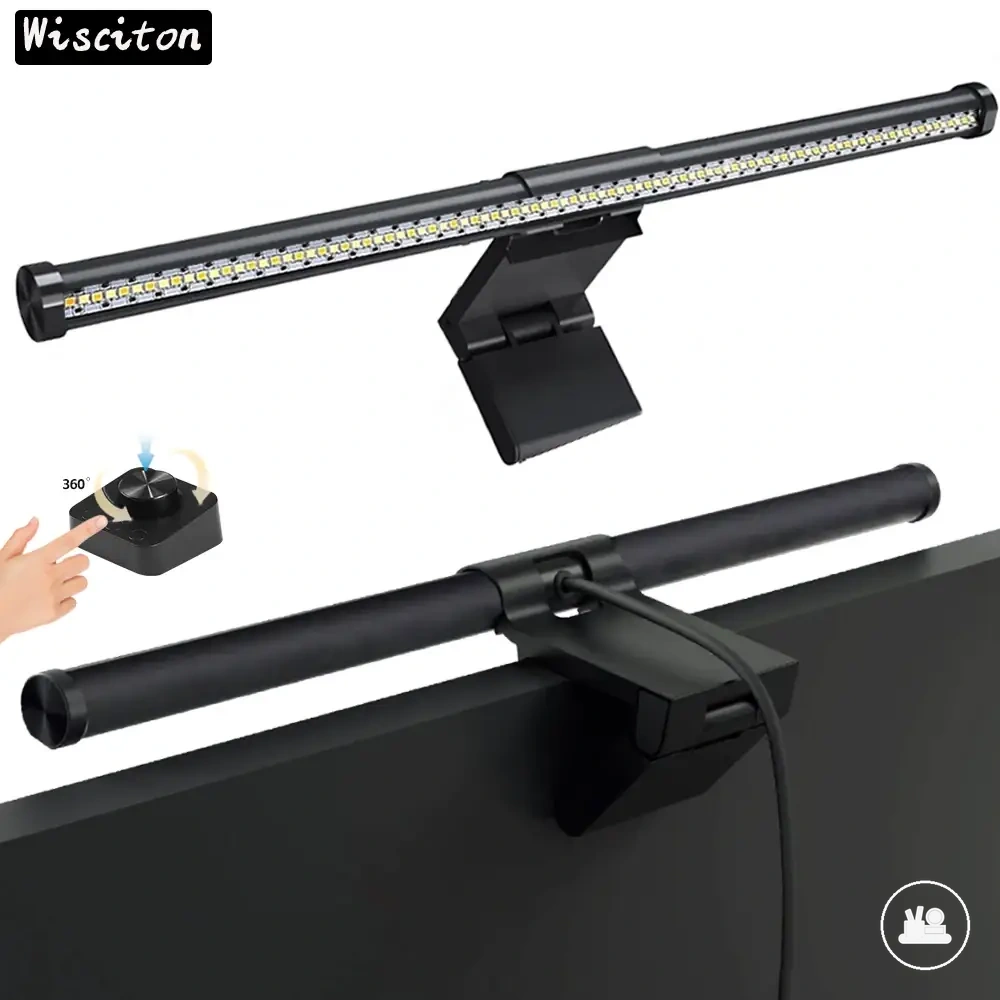
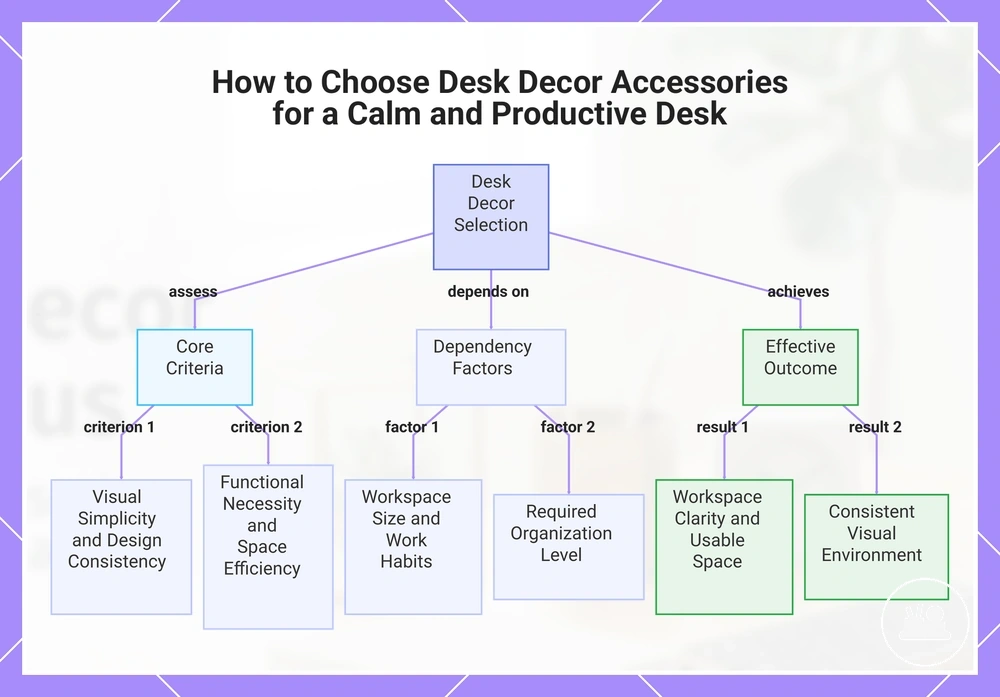
A practical selection checklist includes assessing visual simplicity, functional necessity, space efficiency, and design consistency. An accessory may be more appropriate when it serves a clear purpose, fits comfortably within the available workspace, and supports an organized layout. Consistent visual tone across materials, shapes, or finishes can also help create a desk environment that feels easier to navigate and interpret. The suitability of minimal desk decor accessories depends on workspace size, work habits, and the level of organization required for daily activities.
Examples that may align with these criteria include organizers, trays, pen holders, cable management accessories, and small decorative elements that also provide a functional benefit. These choices are often most effective when they support workspace clarity, preserve usable desk space, and contribute to a consistent visual environment instead of adding unnecessary distraction.
This chart shows the key criteria, dependency factors, and desired outcomes when selecting desk decor accessories for a calm and productive workspace.
Functional vs Decorative Desk Accessories and Their Impact on Focus Optimization
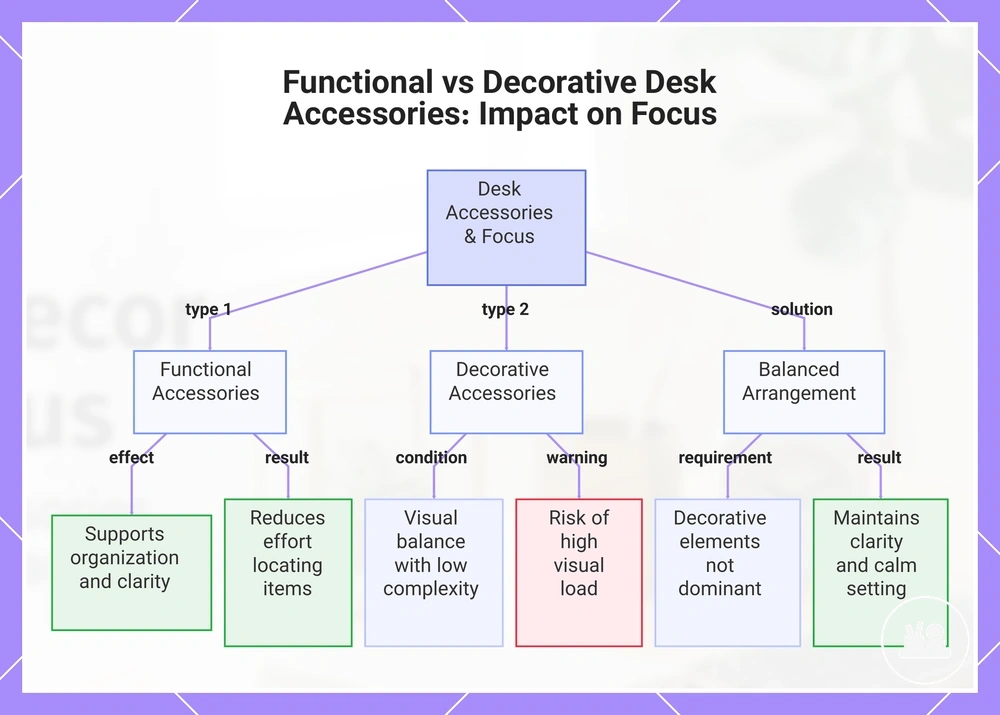
Functional and decorative desk accessories differ in how they influence attention, visual load, and workspace efficiency. functional desk accessories are typically intended to support organization, accessibility, and workspace structure, while decorative accessories primarily influence the visual atmosphere of the desk. Their impact on focus optimization depends on how they are arranged and whether they support or compete with the demands of the work environment.
In many workspaces, functional desk accessories can support clarity by helping organize materials, define activity zones, and reduce effort spent locating frequently used items. Decorative accessories may contribute positively when they add visual balance without increasing visual complexity. Their effect often varies according to density, placement, and the amount of attention they attract within the primary work area.
From a workspace efficiency perspective, functional accessories are usually associated with structure and task support, while decorative accessories influence the overall visual character of the environment. A balanced arrangement can incorporate both categories when decorative elements remain complementary to the workspace rather than becoming dominant visual features. This approach may help maintain organizational clarity while supporting a calm and visually comfortable setting for focused work.
This chart compares how functional and decorative desk accessories influence focus, organization, and visual clarity in workspaces.
Common Desk Setup Mistakes That Reduce Focus and Increase Visual Distraction
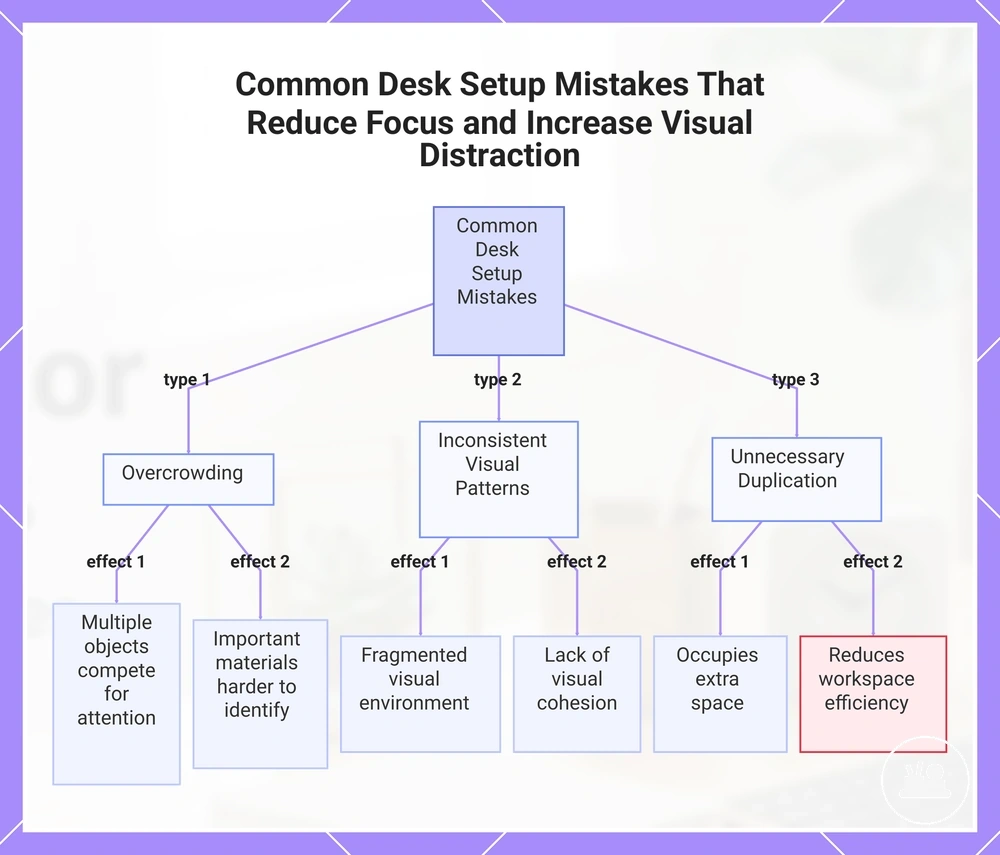
When a workspace feels visually distracting or difficult to navigate, desk setup issues are often linked to overcrowding, inconsistent visual patterns, or unnecessary duplication. Overcrowding can increase visual competition because multiple objects occupy the same attention space at once. Even when individual items have a purpose, a densely populated desk may make important materials harder to identify and can interrupt attention continuity. This contrasts with the intent behind clutter-free desk decor accessories, which are generally associated with a more visually organized workspace.
Inconsistent visual patterns may also contribute to cognitive load. Differences in materials, colors, styles, or placement can create a fragmented visual environment where attention shifts between unrelated elements. In many cases, the issue is not the number of objects alone but the lack of visual cohesion across the workspace. As a result, the desk may feel more demanding to process during active work.
Unnecessary duplication can further increase visual distraction and reduce workspace efficiency. Multiple items serving the same purpose may occupy additional space while adding little functional value. Repeated organizers, overlapping storage accessories, or excess decorative objects can make it more difficult to distinguish primary work tools from secondary items. In contrast, clutter-free desk decor accessories are more commonly associated with a clearer object hierarchy and lower visual competition within the work area.
This chart shows three common desk setup mistakes—overcrowding, inconsistent patterns, and unnecessary duplication—and how each contributes to visual distraction and reduced focus.
Desk Decor Accessories for Home Office and Work Desk Focus Environments
Desk decor accessories depend on the work environment, available space, and sources of distraction when maintaining focus consistency is the goal. Home office environments often combine work and personal activities within the same space, while professional work desks are more commonly organized around dedicated work functions. As a result, desk accessories for work desks may need to adapt to different environmental conditions even when the focus objective remains similar.
Space constraints can influence how desk decor accessories function in each setting. Home offices may require greater attention to surface efficiency because work areas are often integrated into multipurpose rooms, while professional workstations may provide more dedicated workspace. The suitability of desk accessories often depends on how effectively they fit within the available area without increasing visual congestion or interfering with daily tasks.
Distractions and functional requirements also vary between environments. Home office spaces may include non-work visual stimuli and household interruptions, whereas professional settings can involve shared resources, collaborative activity, or workflow-specific demands. Because of these differences, desk accessories for work desks are generally more effective when selected according to contextual requirements rather than a single universal approach. Focus-oriented desk decor often depends on how well accessories align with the conditions, limitations, and work patterns present in each environment.